
No hemos desaparecido, simplemente nos hemos mudado a una casa más manejable para nosotros.
Síguenos en el Blog de nuestra página: https://molinodelcanto.com/blog/
Thursday, May 02, 2019
Sunday, July 10, 2016
VIENDO AVES POR LAS MERINDADES
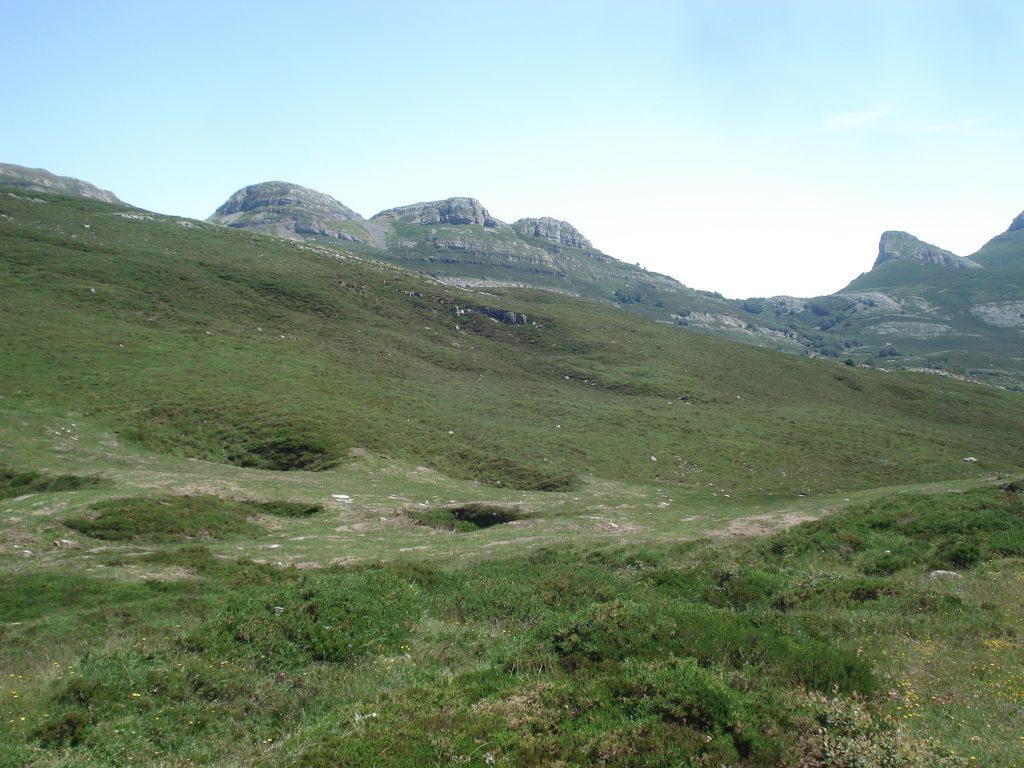
Tres intensos días de pajareo por Las Merindades, tres espectaculares días con un buen número de registros de aves, un total de 97 especies, lo que viene a significar un gran porcentaje de las aves que normalmente se pueden observar en esta época.
La situación geográfica de Las Merindades, nos permite el poder salir a observar aves durante prácticamente todo el año, y casi a cualquier hora del día. Incluso estos días, con altas temperaturas, en las horas centrales estas rondan los 30 grados, lo que significa que sí hace calor, pero no tanto como para paralizar toda actividad en el campo, no es difícil seguir viendo actividad en aves pequeñas como Alcaudones, Lavanderas, Petirrojos, cazando o incluso aves como currucas y zarceros inmersos en sus trinos y cantos emitidos desde los arbustos.
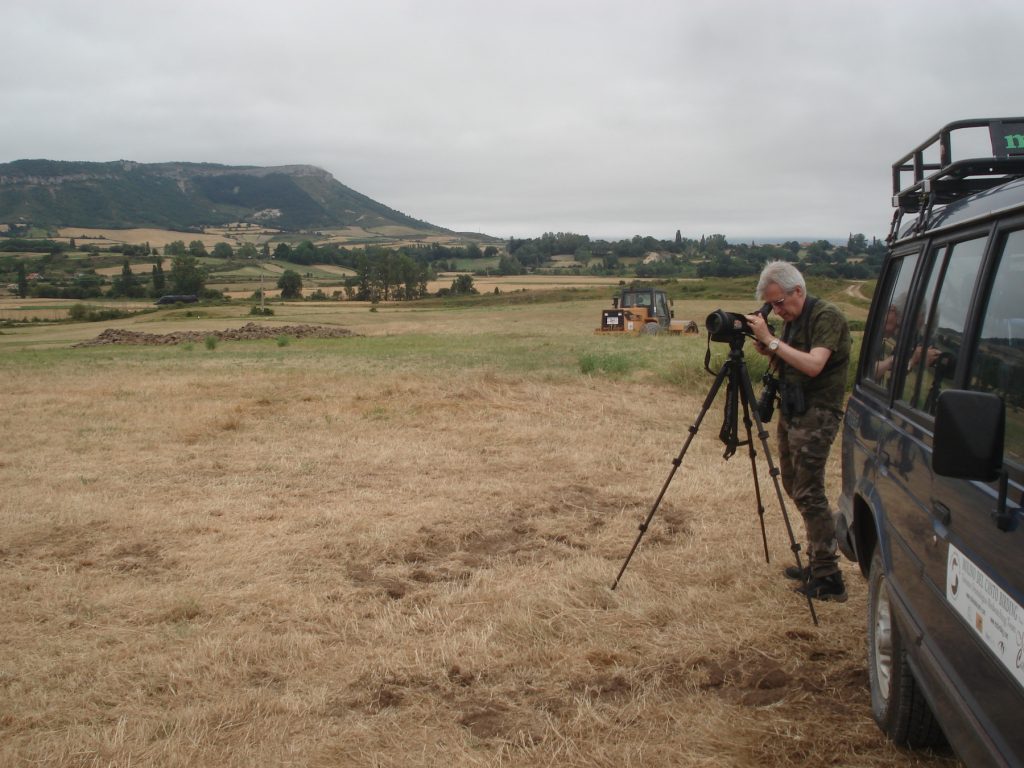
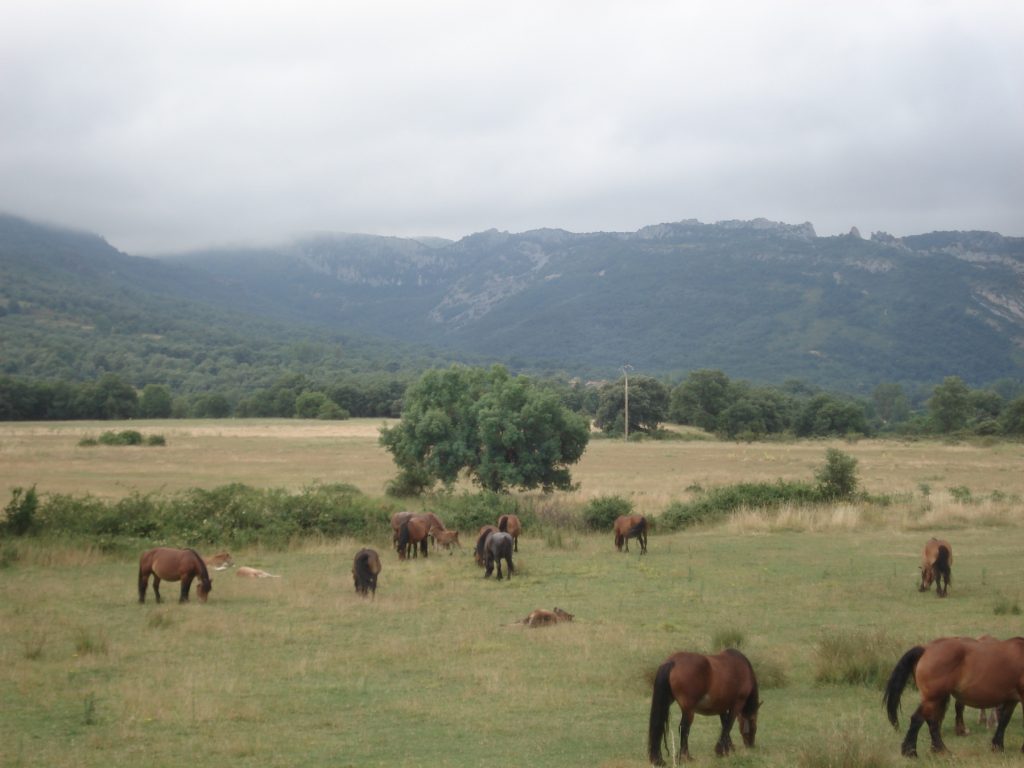
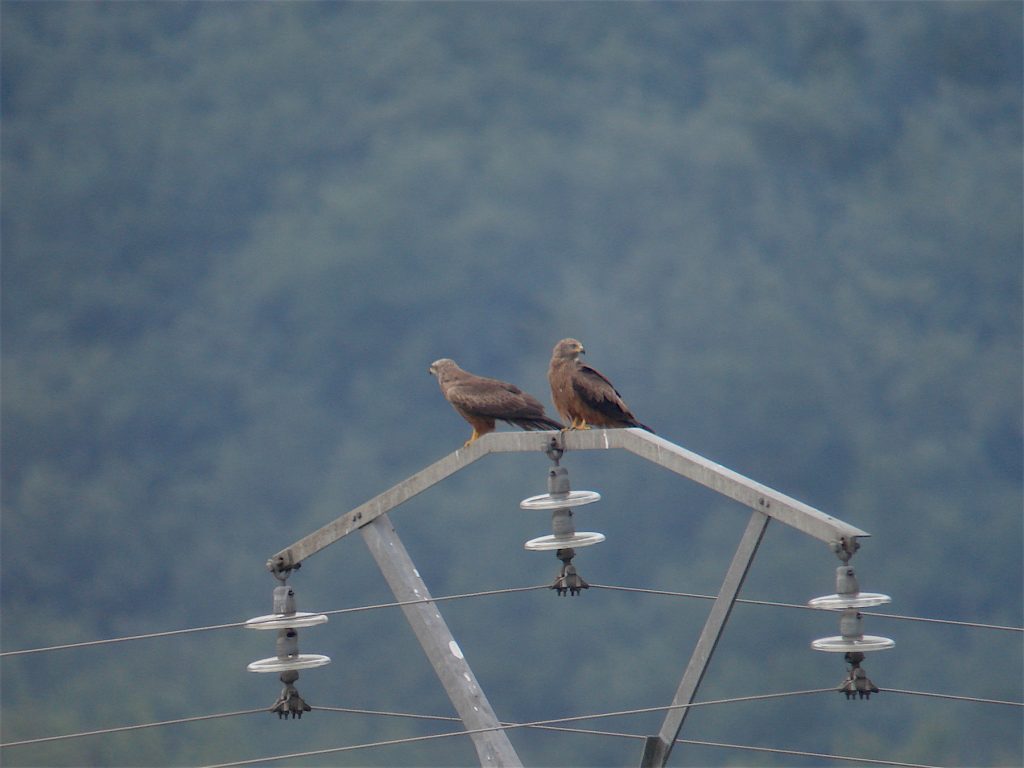
Con jornadas de observación de aves como la que hemos realizado estos días la observación de aves viene aparejada un recorrido por muchos de los hábitats característicos de la comarca, los pequeños Valles formados por el Ebro como el Valle de Zamanzas o el de Manzanedo, dentro del P.N. de las Hoces del Ebro y Rudrón, el gran valle central donde se asientan las principales localidades, la alta montaña en los puertos de Espinosa de los Monteros, humedales naturales como las Lagunas de Gayangos o artificiales como el Embalse del Ebro, los páramos del sur como los de la comarca de Bricia o los páramos de Dobro y por supuesto toda la zona de cañones formados por los diferentes ríos.
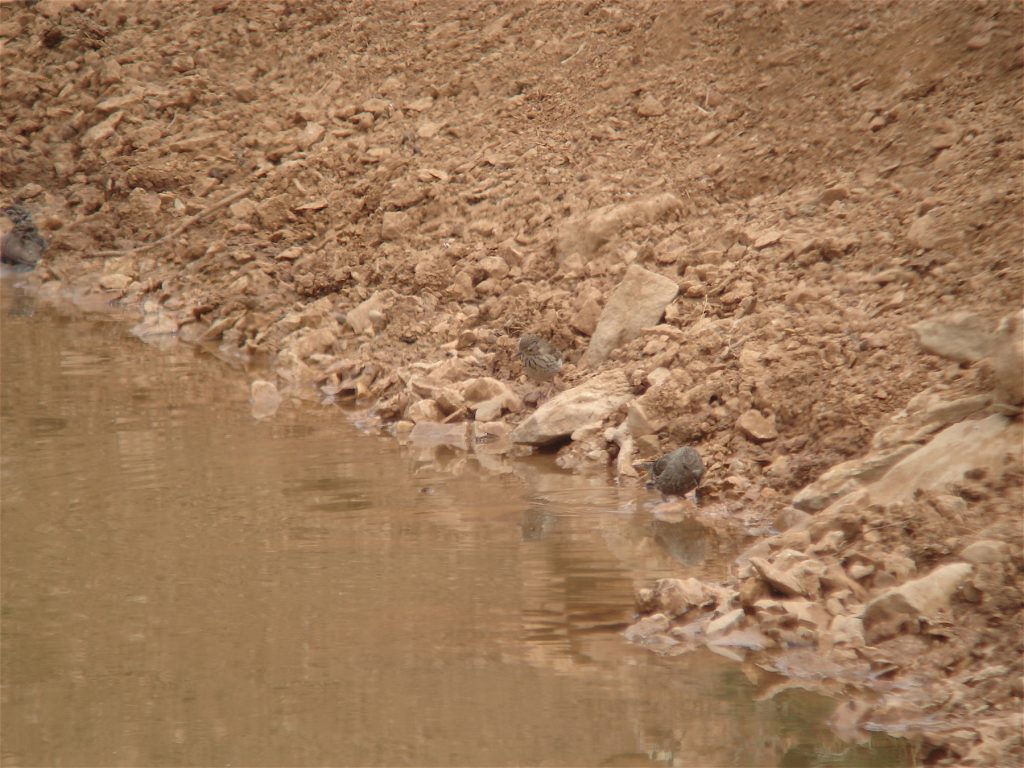
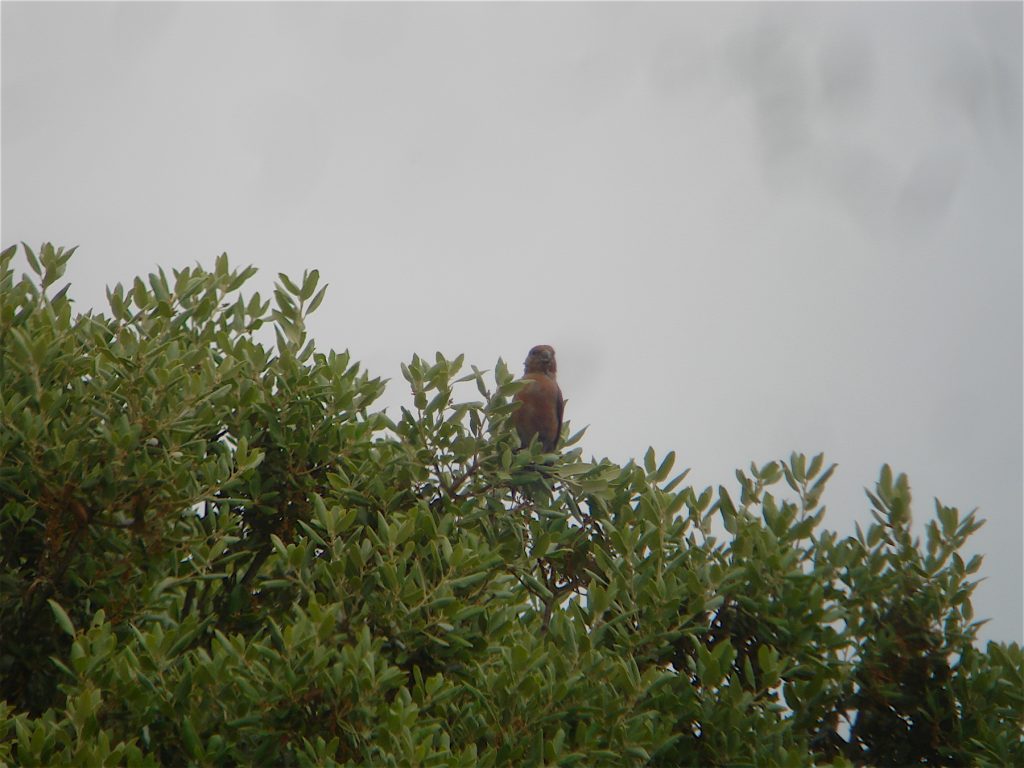
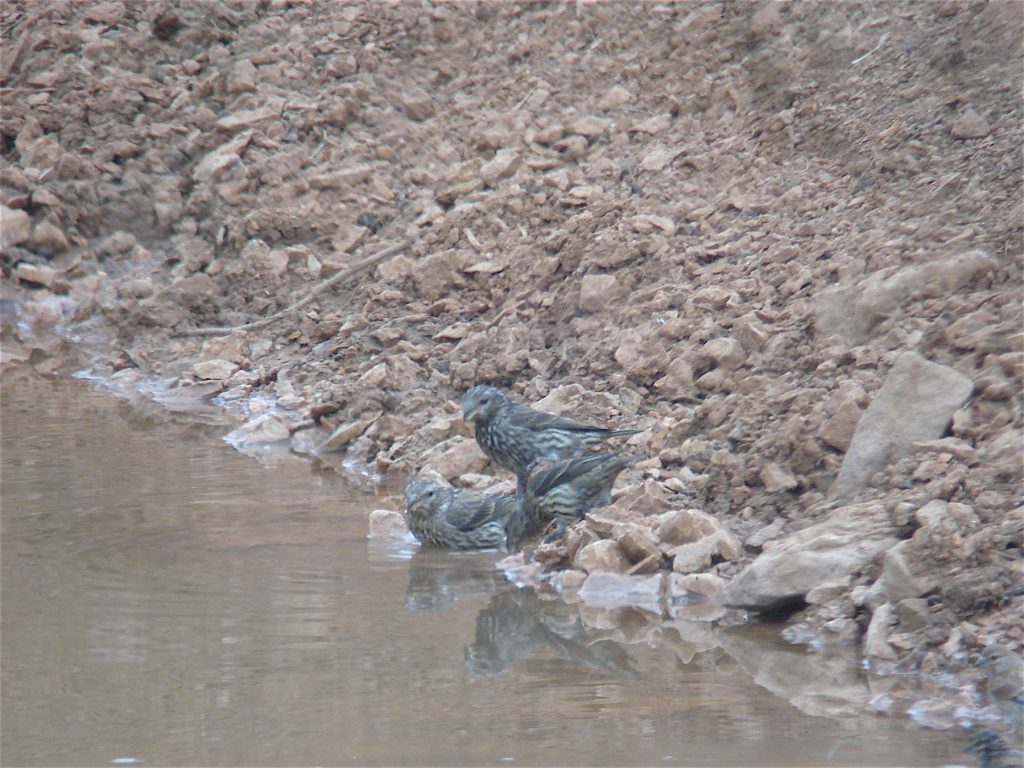
Entre las especies registradas destacamos el número de rapaces contactadas, 14, Alimoche, Buitre Leonado, Águila Calzada, Águila Real, Culebrera Europea, Aguilucho Lagunero, Aguilucho Pálido, Aguilucho Cenizo, Milano Negro, Abejero Europeo, Busardo Ratonero, Alcotán, Cernícalo Vulgar y Gavilán.
También ha sido destacable el gran número de territorios de Alcaudón Dorsirrojo, con la práctica totalidad de ellos inmersos en la alimentación por parte de los adultos de los pollos ya volantones.
Los grupos familiares están ya por todos los sitios, ya es fácil el ver juveniles de muchas especies, acompañados de los adultos o en solitario, a los Alcaudones podemos añadir Jilgueros, Pardillos, Golondrinas, Gorriones, Piquituertos, Tarabillas.
Uno de los momentos destacados fue las escaramuzas protagonizadas por un Alcotán en su afán de perseguir y dar pasadas a unas cuantas Chovas Piquirrojas.
Unos cuantos bimbos se llevó José Luis de este viaje, alguno otro le quedó pendiente, pero sin duda un buen birder que no cejará en observar y conservar las aves.
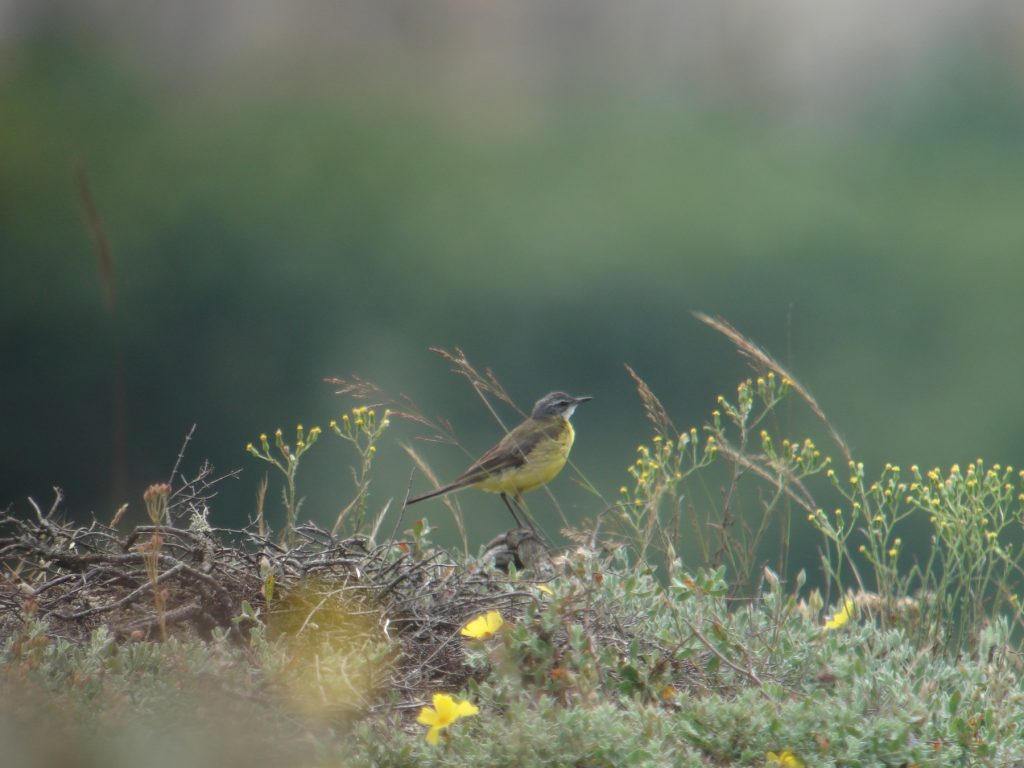
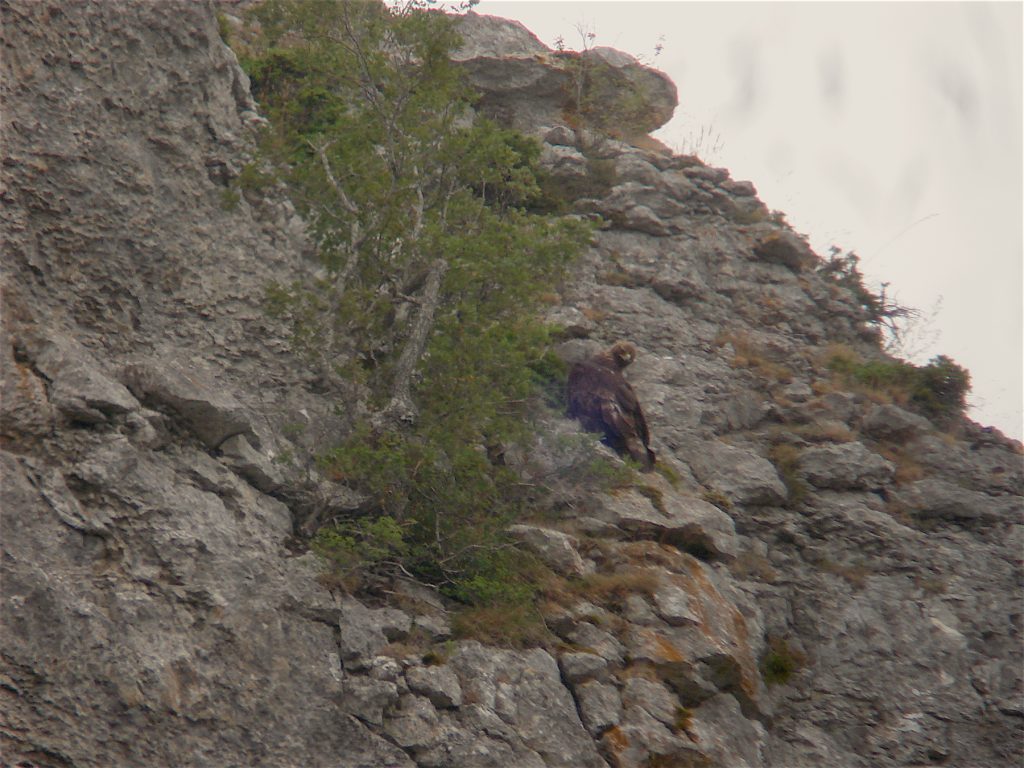
Listas de Aves. Bird List By eBird
Puedes consultar las listas de aves registradas en los siguientes enlaces de eBird, You can view the Bird Lists in the following links:
Día 1: Pequeños Valles y Páramos
Día 2: Valle central, Lagunas y Alta Montaña
Día 3: Cañones del Ebro, Páramos y Embalse.
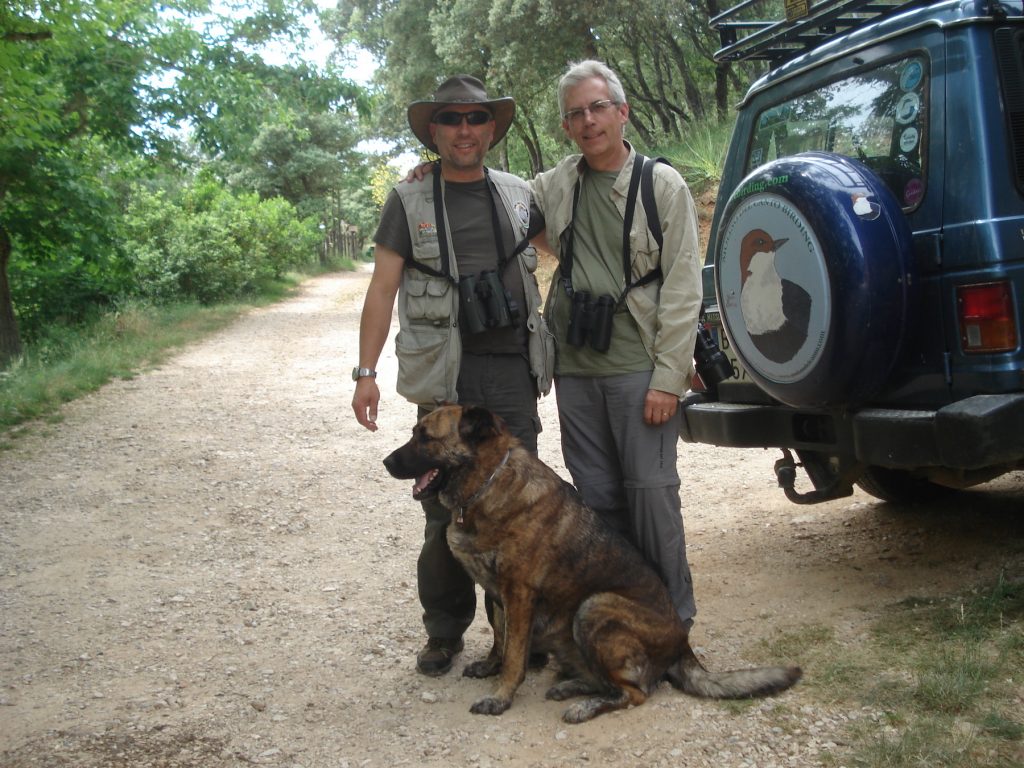
Muchas gracias a José Luis por su interés en las aves de Burgos.
Tuesday, June 28, 2016
BRIGHT BIRDS
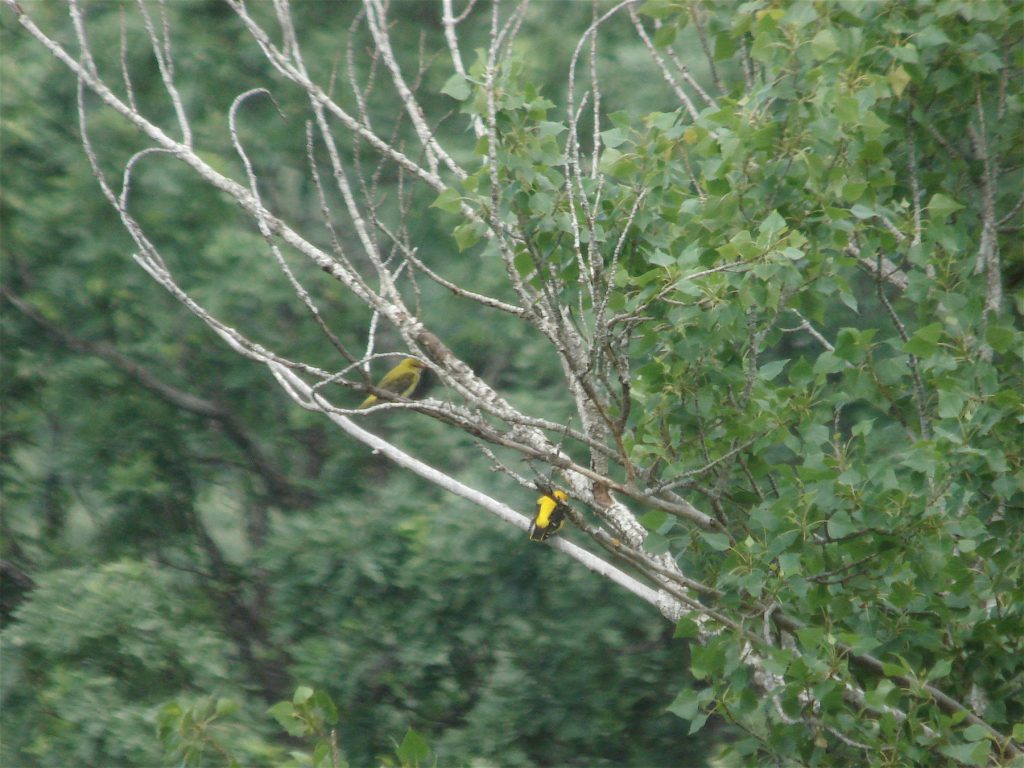
Sometimes we think that only tropical birds have varied and bright colors. But in our latitudes we found a good number and species with bright vivid colors, which, in turn, although it seems contradictory, serve to camouflage in its typical habitat. One of the most striking cases is that of Oriole, intense contrasts of yellow and black in males, whose location within the foliage of the poplars is sometimes a challenge of observation. This spectacular species also has one of the most beautiful songs.
The Golden Oriole, along with other 56 species, were those that we saw in our last birding tour.
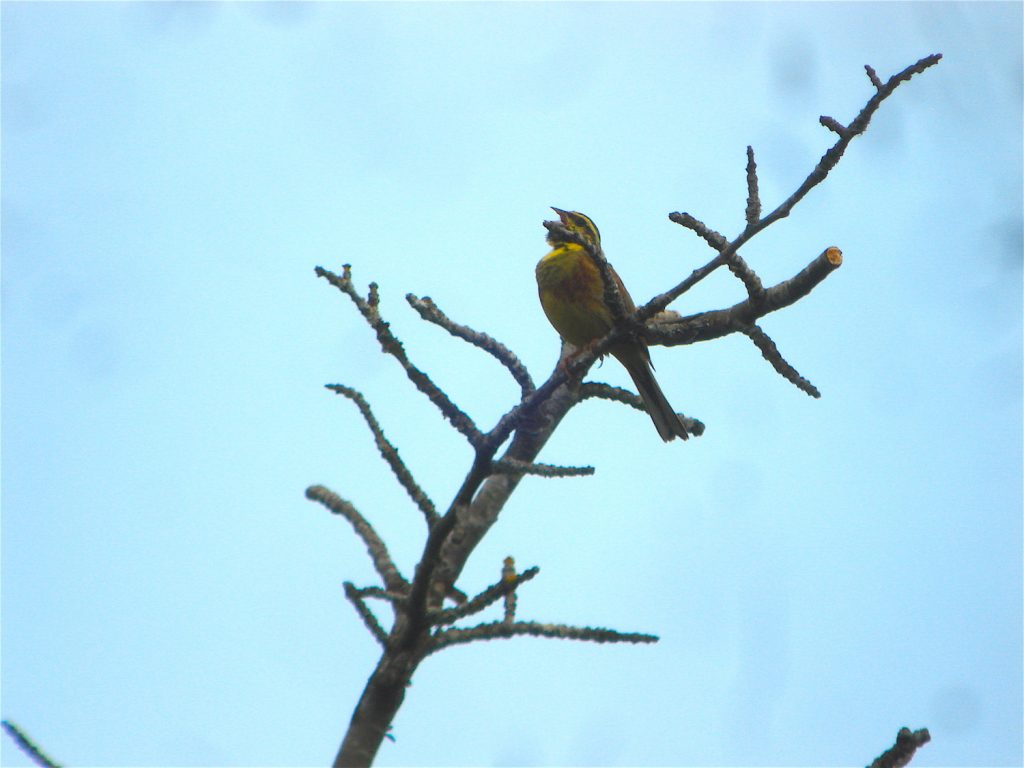
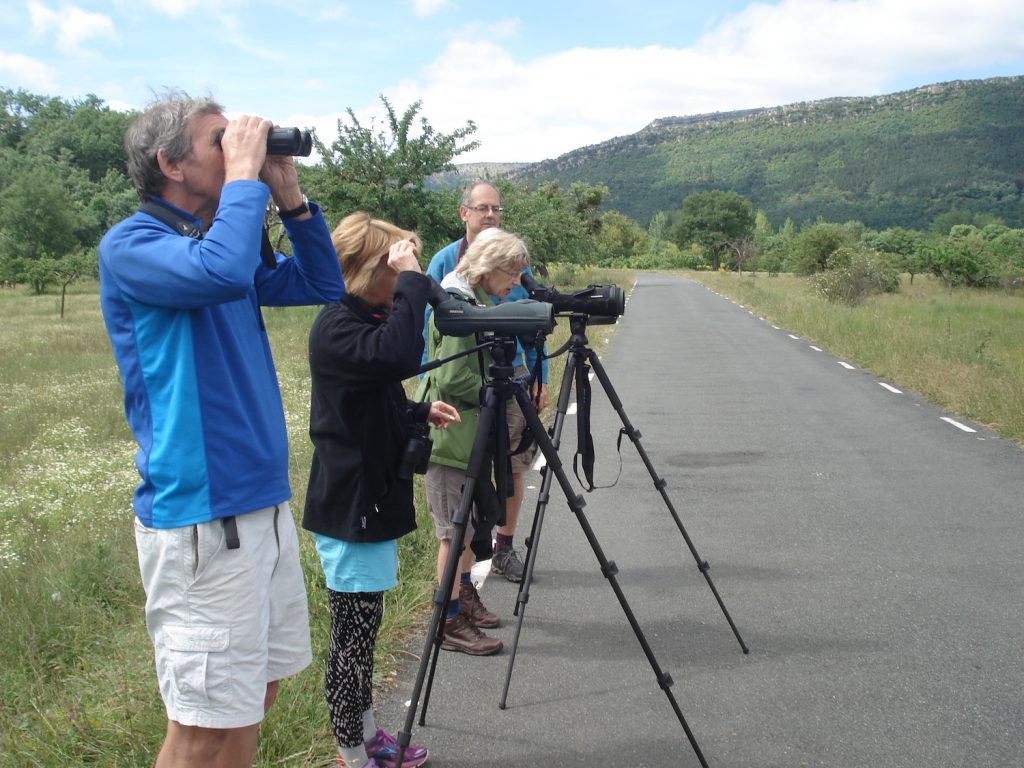
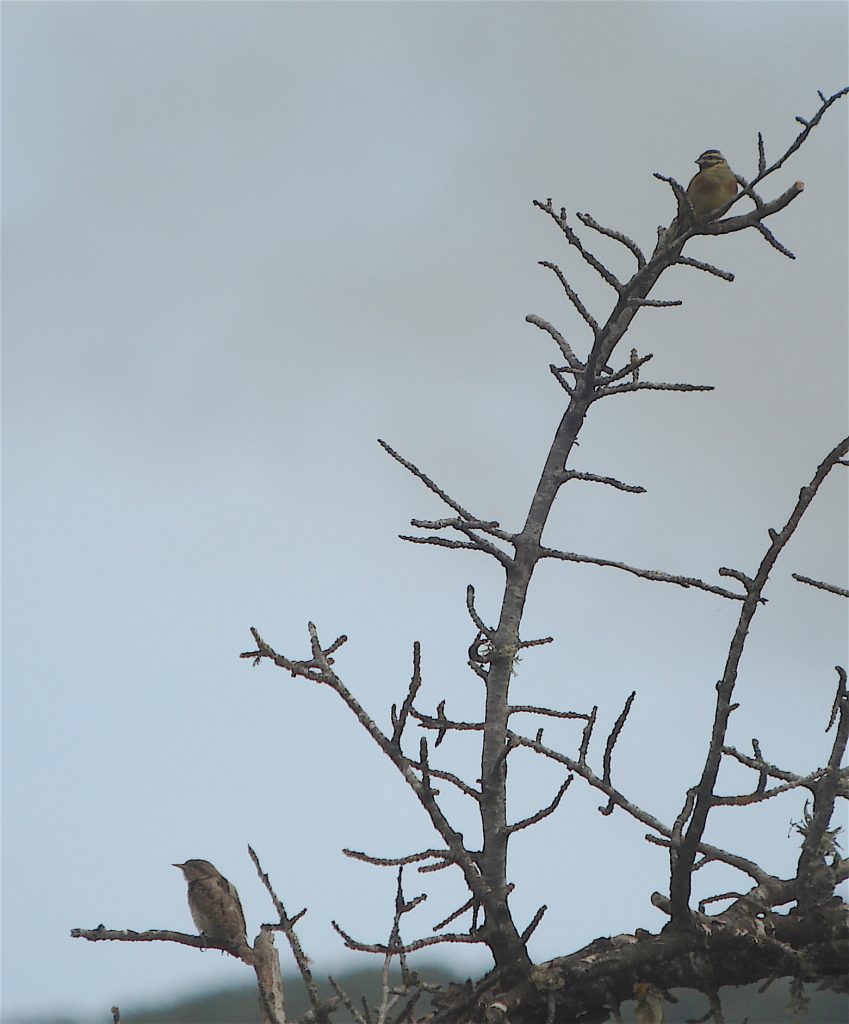
An average figure for this time of year and conducting a tour of the Natural Park of River Ebro and Rudrón, becomes a good example of many of the most characteristic species.
We can see beautifull birds of these mountains and valleys as the Red-backed Shrike, that is well distributed within the park, and easy to locate especially where forest cover is not intense.
Mimetic species like Wryneck and spectacular designs like the Cirl Bunting.
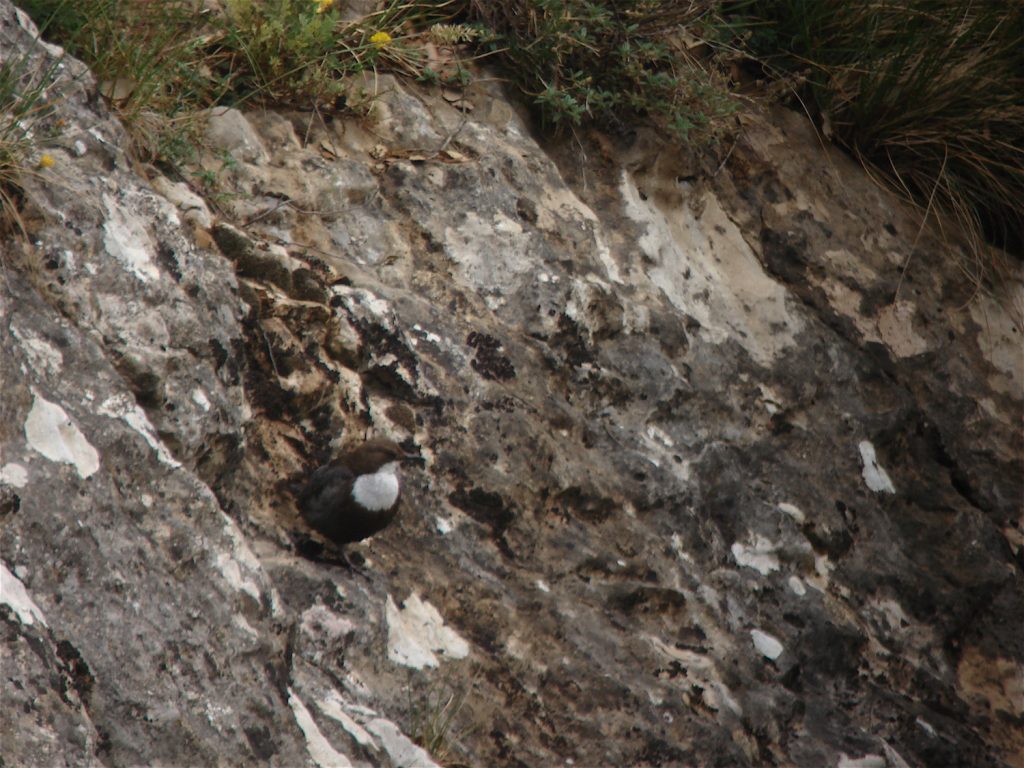
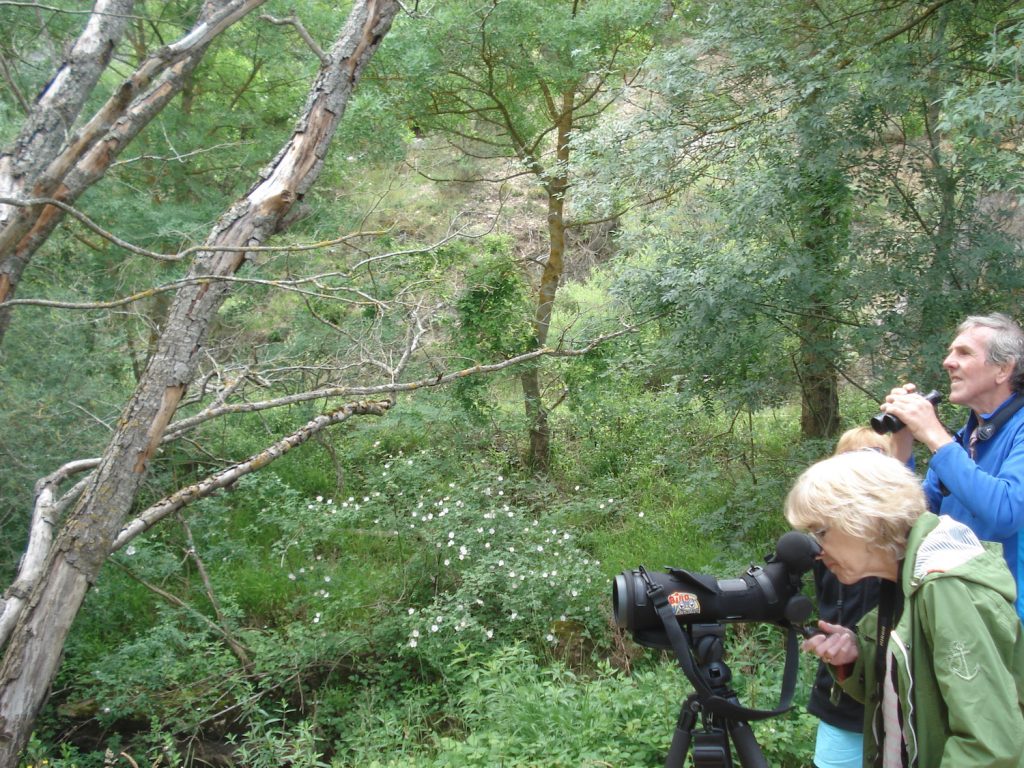
We could hear the last song of Cuckoo, and in a few days is almost impossible hear him.
Striking species for its size are raptors, Black Kite, Montagu’s Harriers, Egyptian Vulture, Griffon Vulture …
Bird List / Lista de Especies:
(These records of birds, become part of eBird, for the study and conservation of birds.)
Black Kite / Milano Negro
Griffon Vulture / Buitre leonado
Egyptian Vulture / Alimoche
Common Buzzard / Busardo Ratonero
Common Kestrel / Cernícalo Vulgar
Common Coot / Focha Común
Wood Pigeon / Paloma Torcaz
Cuckoo / Cuco
Common Swift / Vencejo Común
Hoopoe / Abubilla
Wryneck / Torcecuello
Iberian Green Woodpecker / Pito Real
Woodlark / Alondra Totovia
Skylark / Alondra Común
Barn Swallow / Golondrina Común
House Martin / Avión Común
Tawny Pipit / Bisbita Campestre
Grey Wagtail / Lavandera Cascadeña
White Wagtail / Lavandera Blanca
Dipper / Mirlo Acuático
Wren / Chochín
Robin / Petirrojo
Black Redstart / Colirrojo Tizón
Common Redstart / Colirrojo Real
Stonechat / Tarabilla Común
Wheatear / Collaba Gris
Blackbird / Mirlo Común
Mistle Thrush / Zorzal Charlo
Song Thrush / Zorzal Común
Melodious Warbler / Zarcero Políglota
Blackcap / Curruca Capirotada
Whitethroat / Curruca Zarcera
Iberian Chiffchaff / Mosquitero Ibérico
Great Tit / Carbonero Común
Golden Oriole / Oropéndola
Red-backed Shrike / Alcaudón Dorsirrojo
Jay / Arrendajo
Red billed Chough / Chova Piquirroja
Carrion Crow / Corneja Negra
Raven / Cuervo
Spotless Starling / Estornino Negro
Rock Sparrow / Gorrión Chillón
House Sparrow / Gorrión Común
Serin / Verdecillo
Common Chaffinch / Pinzón Vulgar
Greenfinch / Verderón
Goldfinch / Jilguero
Linnet / Pardillo Común
Yellowhammer / Escribano Cerillo
Cirl Bunting / Escribano Soteño
Corn Bunting / Escribano Triguero
 Thanks to the Birders, Monica, Rob, John, and Anne.
Wednesday, June 01, 2016
BREEDING BIRDS AND SONGBIRDS IN LAS MERINDADES
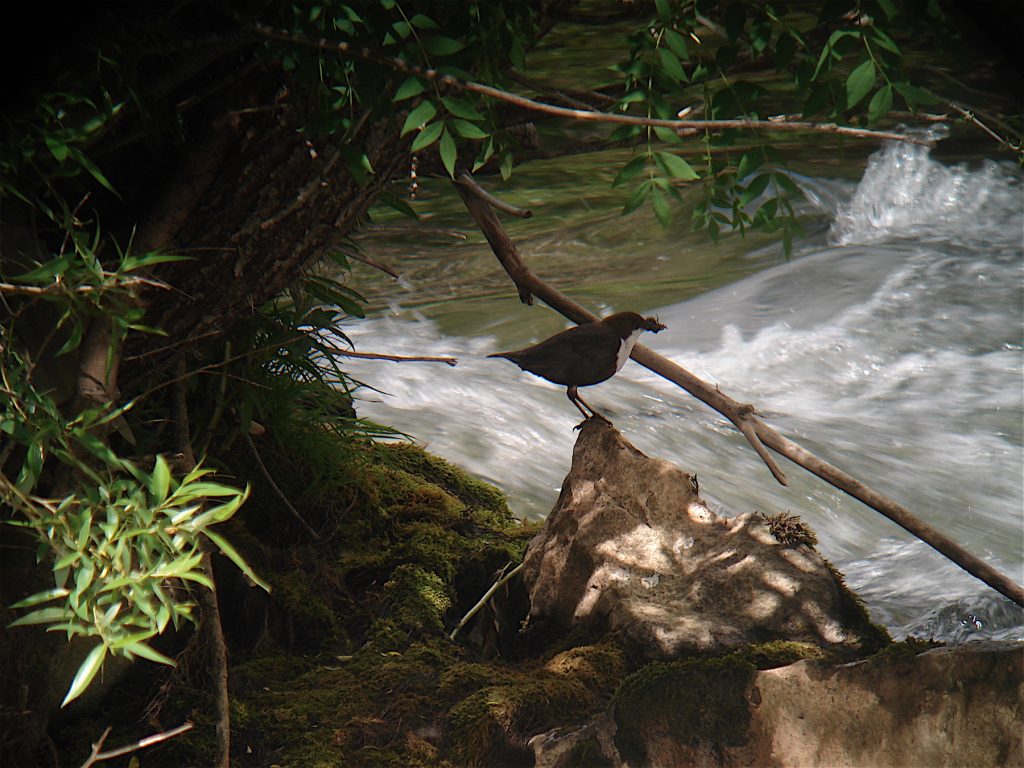
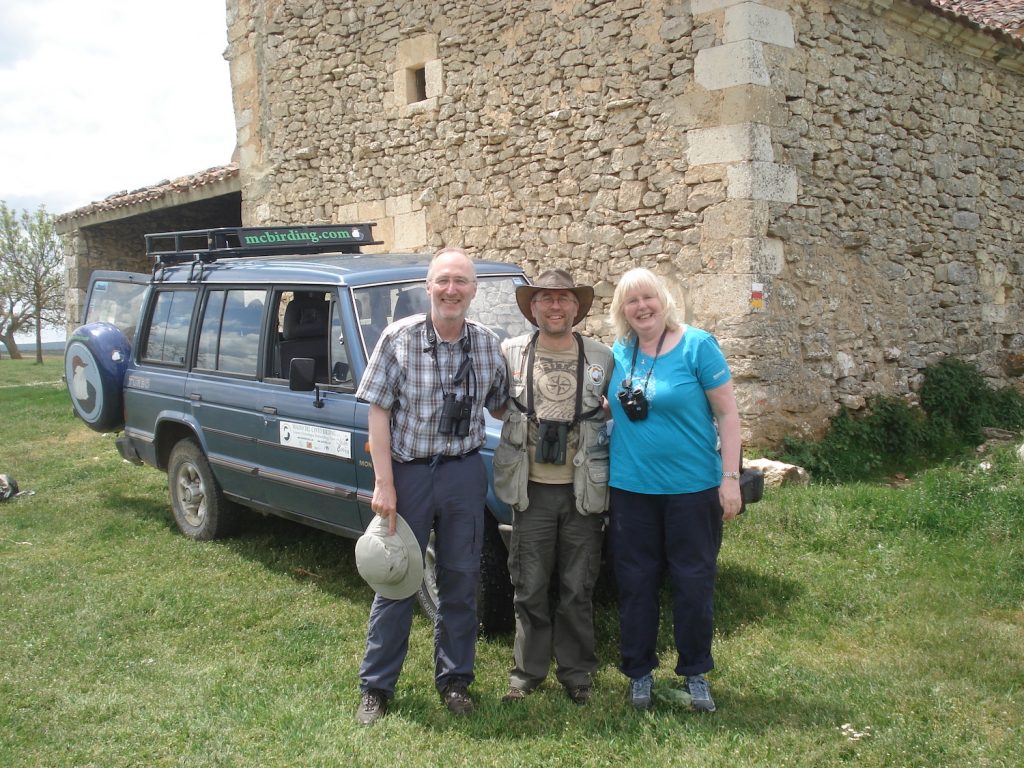
In this new day of birding through the P.N. Hoces del Alto Ebro y Rudrón Nature Reserve, our new friends, Marc and Gillian, coming from Scottish lands, they enjoyed some new birds and others that had long time ago that they not seen. Thank you very much for your interest in birds of Las Merindades.
During these days, the birds are in full breeding season and small colonies of some species, can be seen with the very busy birds, Rock Sparrows, Sand Martins or House Martins. The latter suffering the ignorance and despised for little birds of some people, who do not hesitate to destroy the nests of these birds.
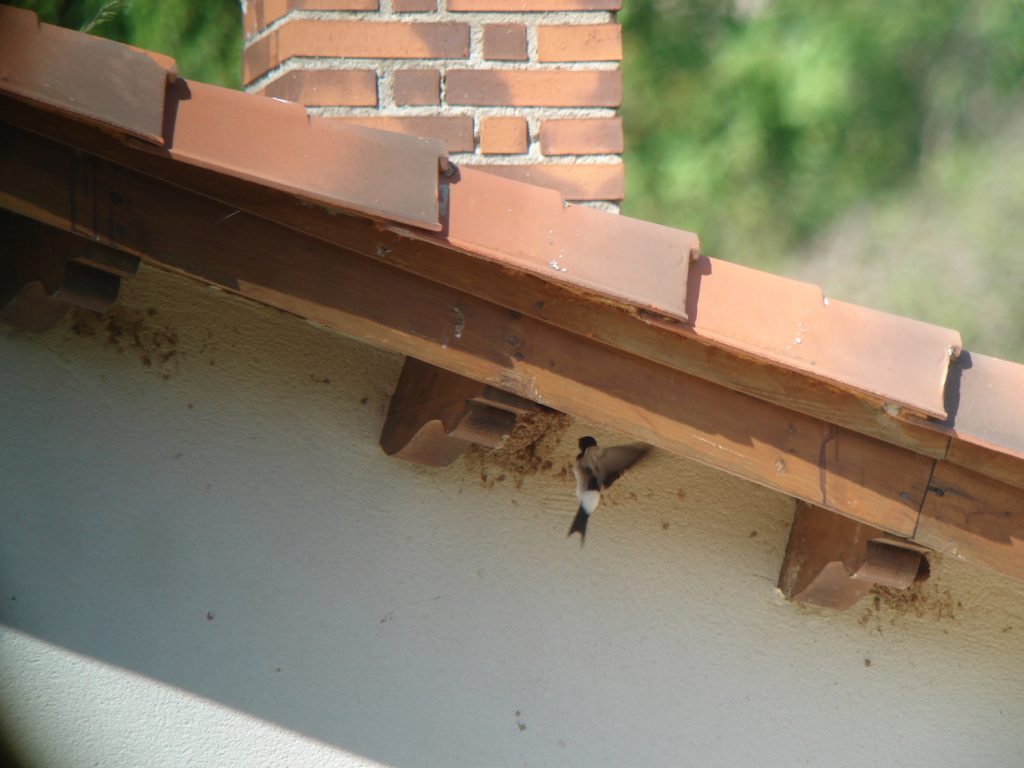
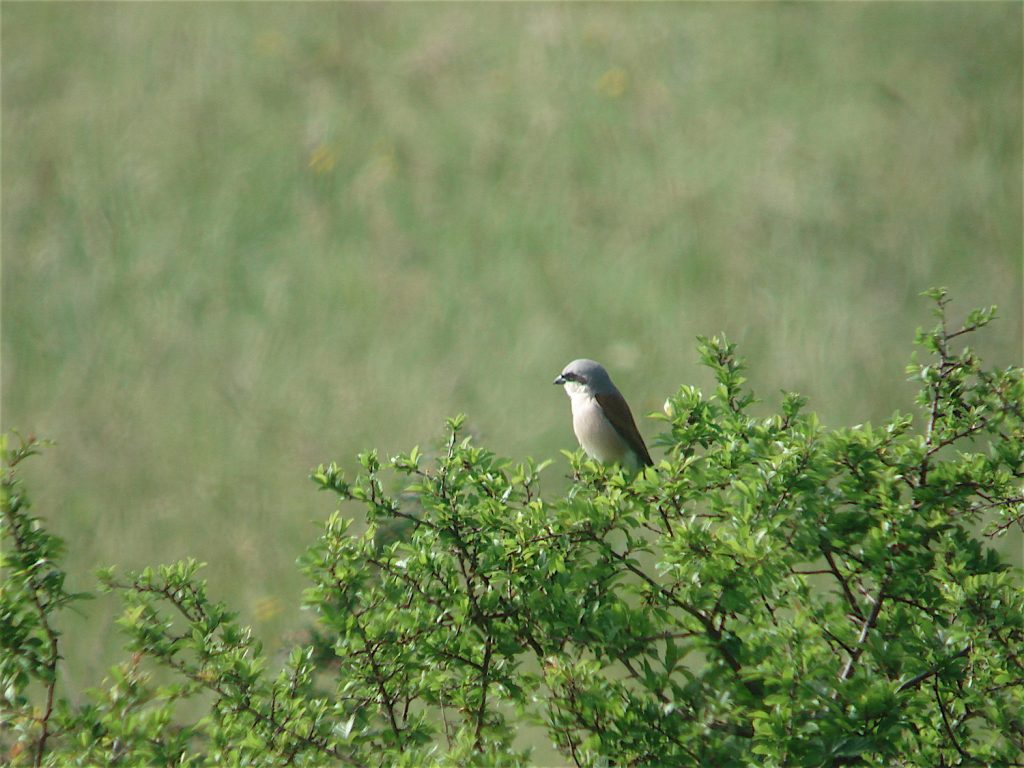
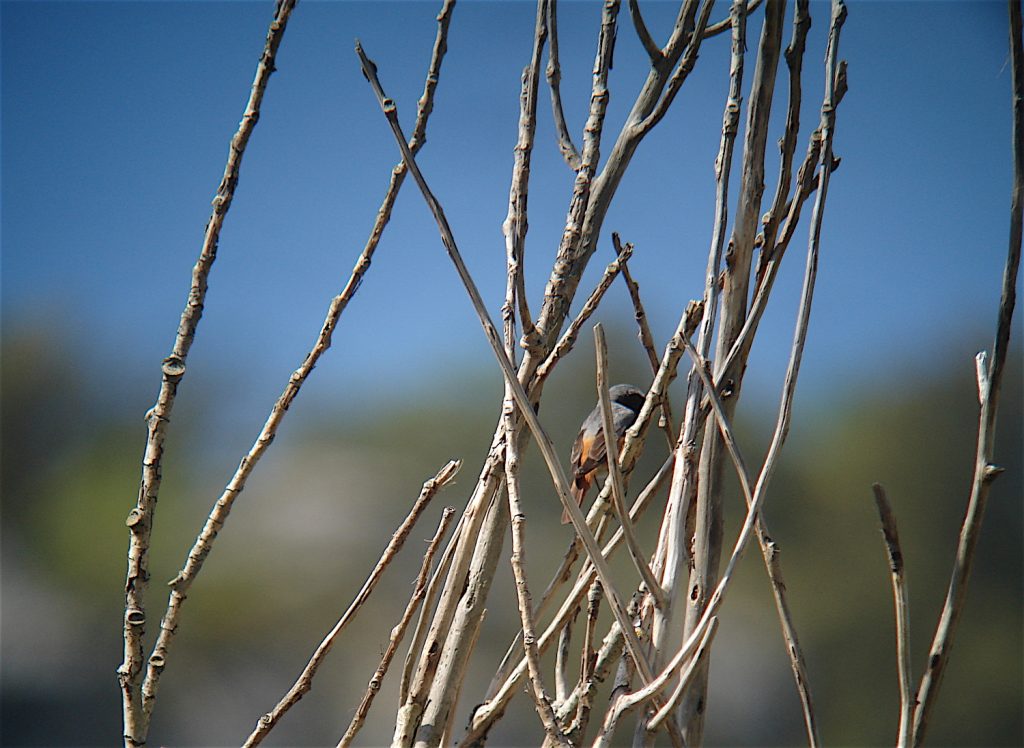
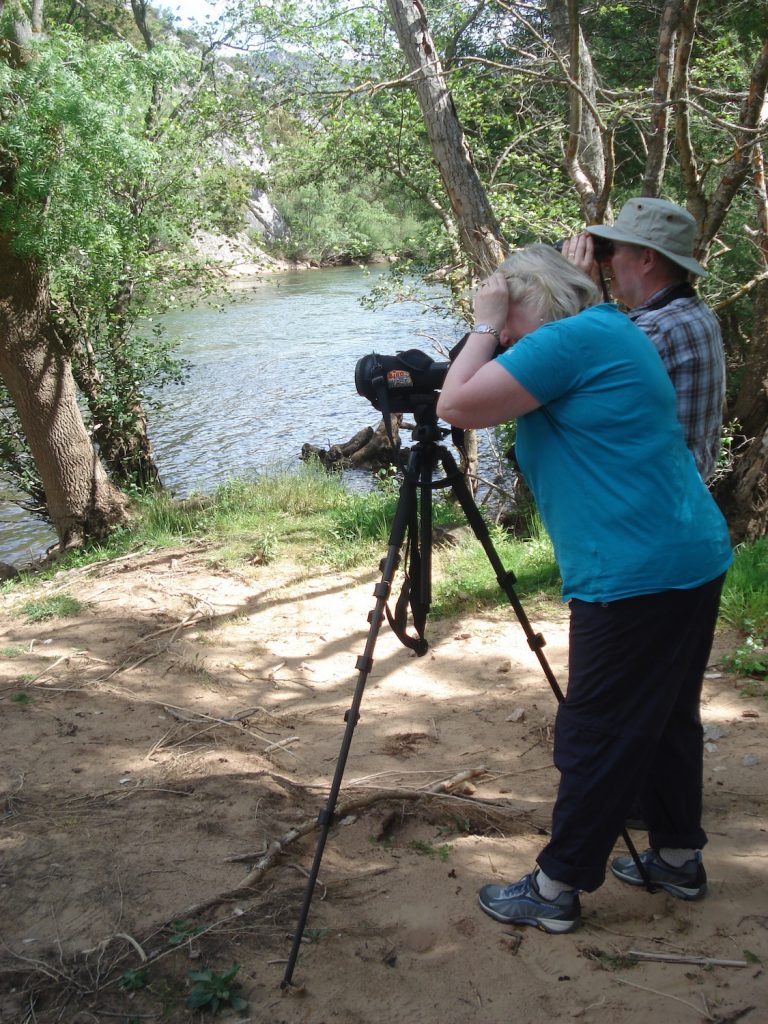
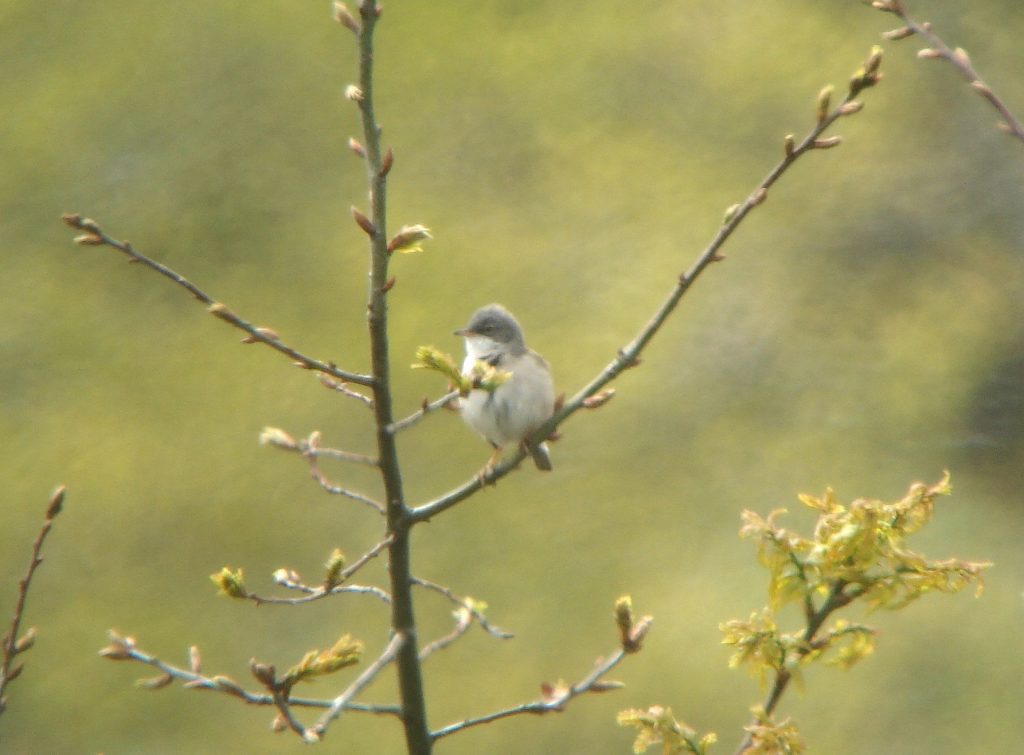
56 species, many of them with good and close observations, Redstarts, Thrushes, Martins, Pipits, Choughs … and spectacular birds like the kingfisher or the Hoopoe, and could possibly be one of the most common birds of the Natural Park, the Red-backed Shrike, with a relatively large population, since it is easy to find breeding pairs in almost any bushes area, some closely from each other. We saw raptors like, Buzzards, Kites, Vultures or Eagles and little birds like Stonechats, or songbirds like, Melodious Warbler, Blackcap, Whitethroat…
Monday, May 23, 2016
WARBLERS, WADERS, WOODPECKERS…
WARBLERS, WADERS, WOODPECKERS…
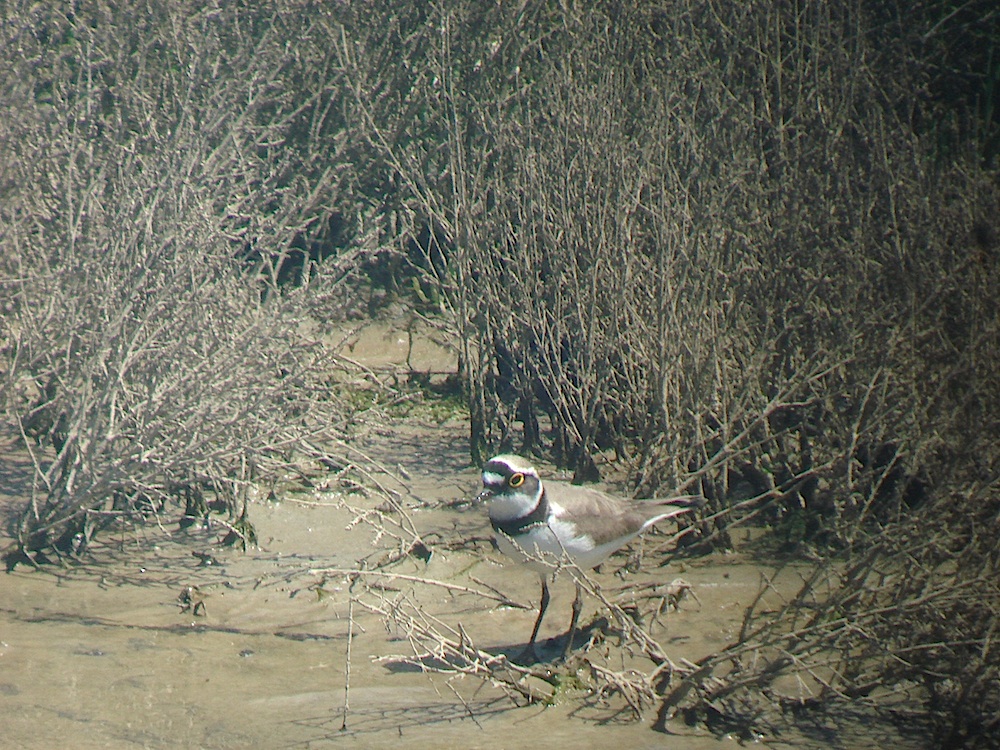
Little Ringed Plover
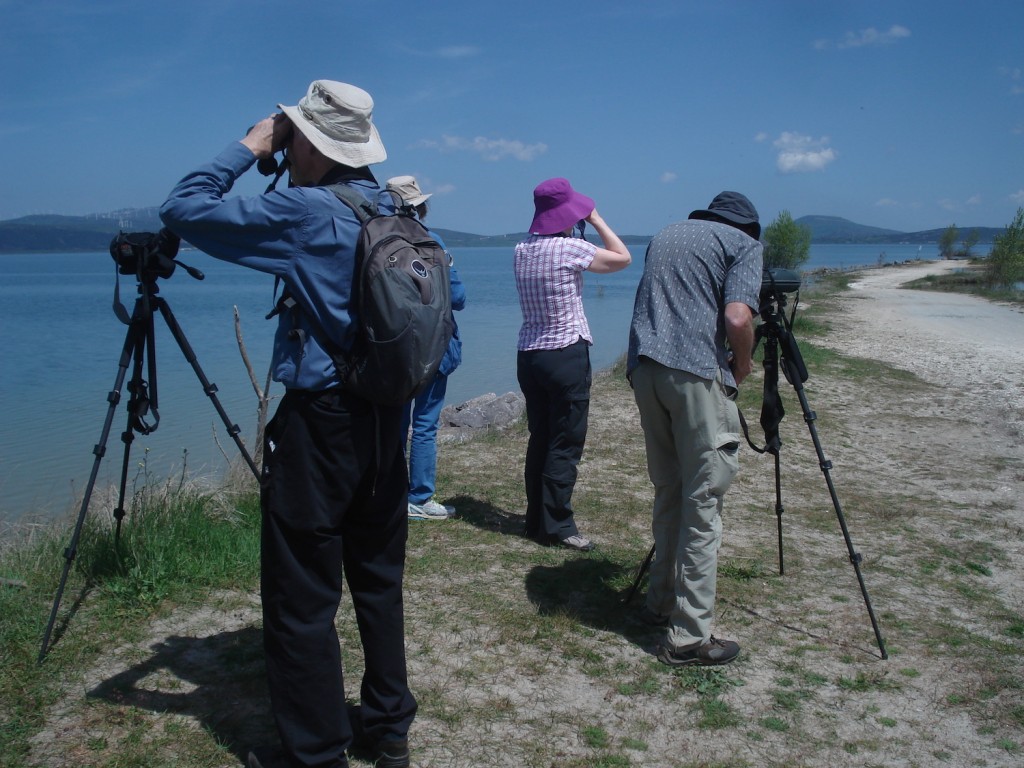
A new day of birding in which we visited two natural spaces, P.N. Hoces del Alto Ebro y Rudrón Nature Reserve and the Waterfowl Reserve of the Ebro reservoir.
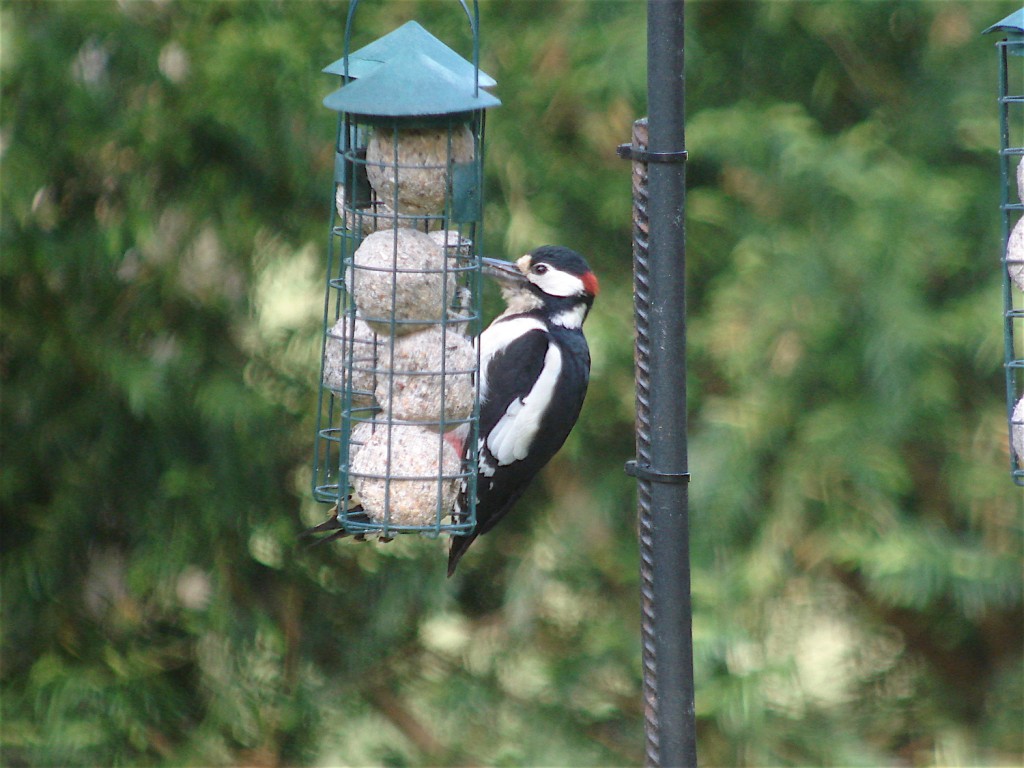
Great Spotted Woodpecker
We begin enjoying all these common birds living in the vicinity of the Posada Molino del Canto, highlighting some that his observation is often complicated, as the case of Wrynecks. Also noteworthy is the number of breeding pairs of Red-backed Shrike.
Just when we left the Valley Zamanzas, we could enjoy as aerial evolutions of three Short-toed Eagles.
The plateaux area again, did not disappoint, providing very good bird records of various species, Whinchat, Rock Sparrows, Wheatears and a very close view of Honey Buzzard, which flew over us to 20 meters.
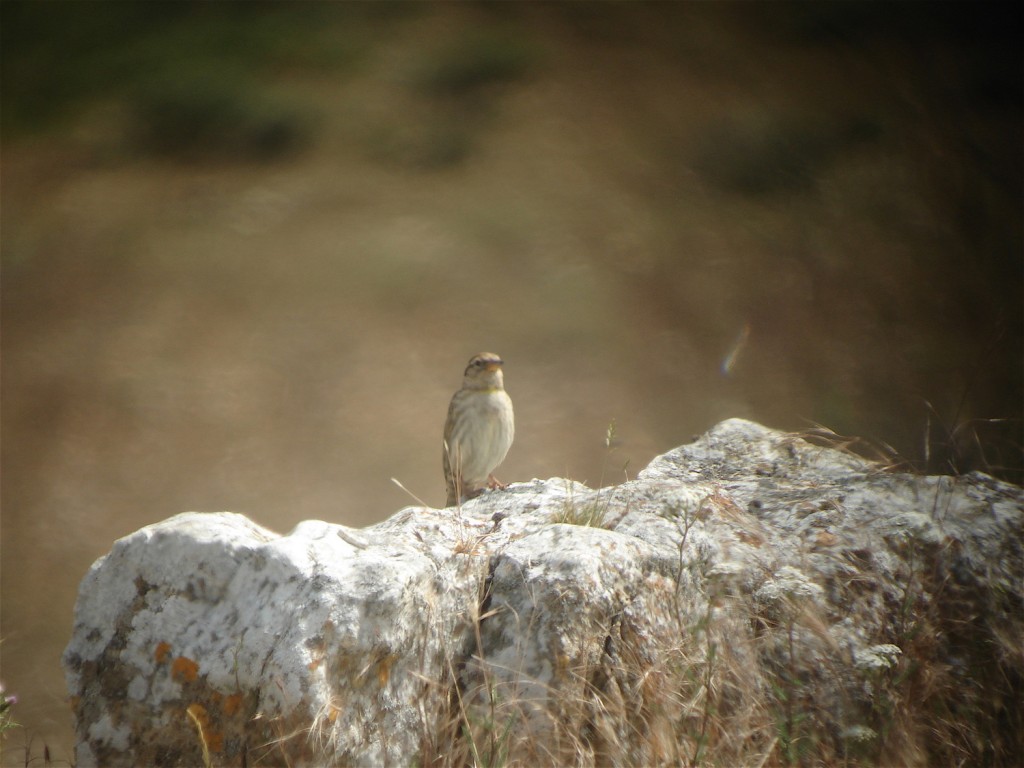
Rock Sparrow
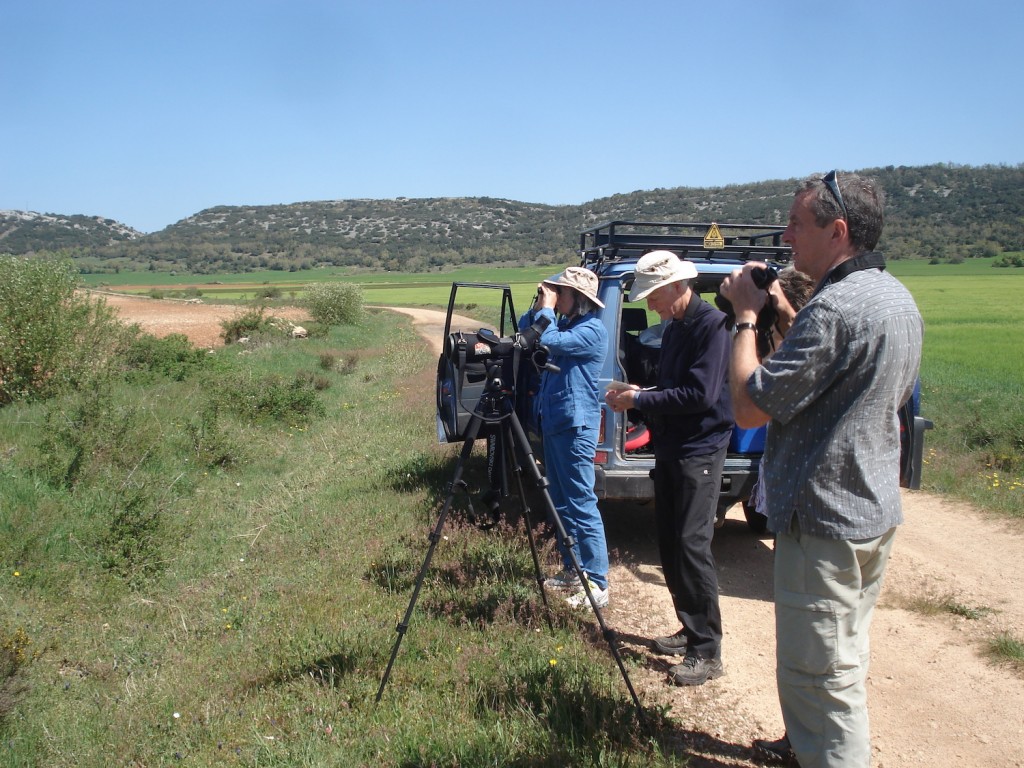
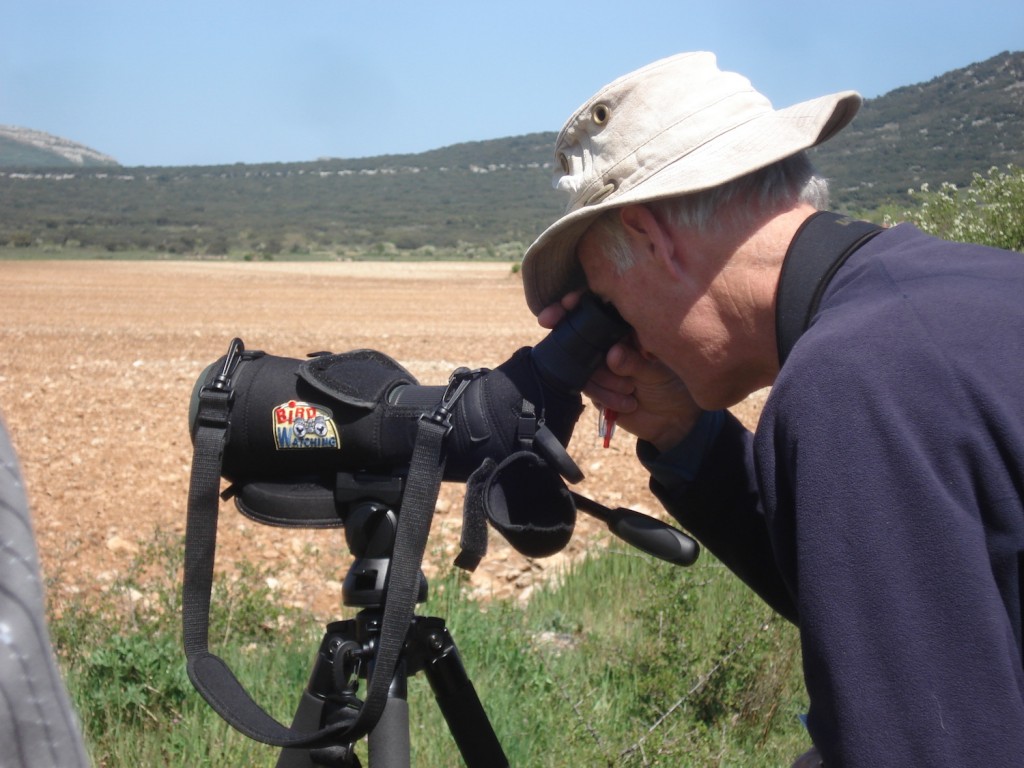
The Ebro reservoir, is at a very high level of water, more than 95% so that the water level has covered many areas previously used by waders to feed. Yet we see a few copies, some in very favorable area for breeding.
One good birding day, which ended with the record of 75 species.
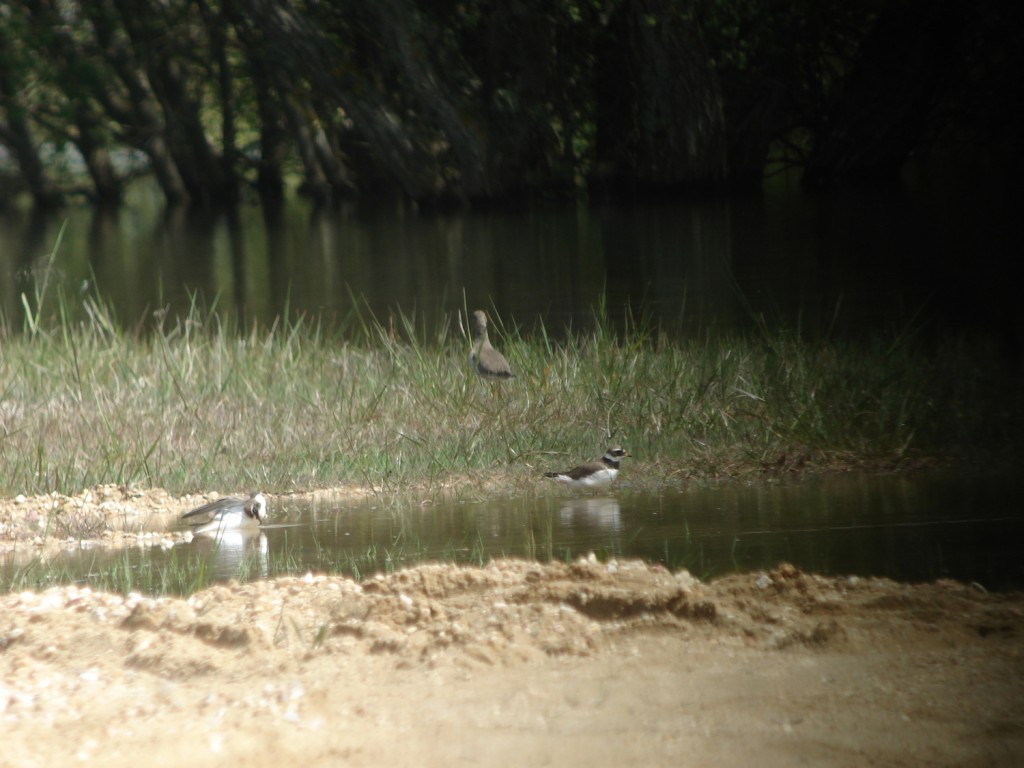
Ringed Plover & Common Redshank
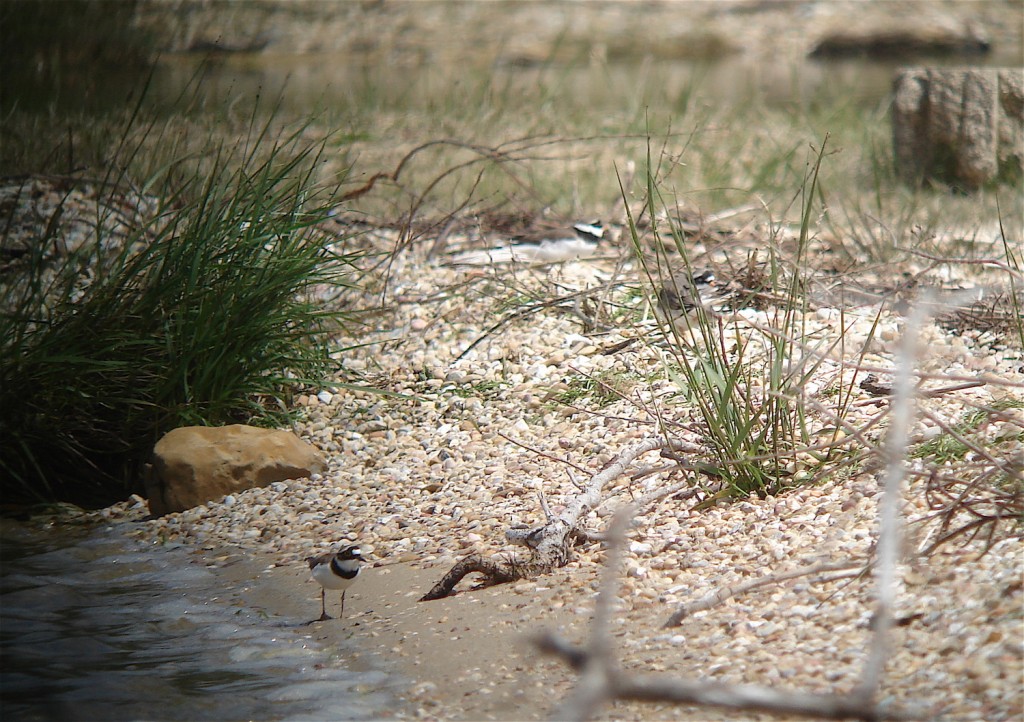
Little and Great Ringed Plover
Bird List / Lista de Especies:
Gadwall / Ánade Friso
Mallard / Ánade Azulón
Great Crested Grebe/ Somormujo Lavanco
Black Necked Grebe/ Zampullín Cuellinegro
White Stork / Cigüeña Blanca
Honey Bussard / Abejero Europeo
Black Kite / Milano Negro
Griffon Vulture / Buitre leonado
Egyptian Vulture / Alimoche
Short-toed Eagle / Culebrera Europea
Common Buzzard / Busardo Ratonero
Booted Eagle / Águila Calzada
Common Kestrel / Cernícalo Vulgar
Little Ringed Plover / Chorlitejo Chico
Great Ringed Plover / Chorlitejo Grande
Common Redshank / Archibebe Común
Common Sandpiper / Andarrios Chico
Yellow-legged Gull / Gaviota Patiamarilla
Wood Pigeon / Paloma Torcaz
Cuckoo / Cuco
Common Swift / Vencejo Común
Alpine Swift / Vencejo Real
Wryneck / Torcecuello
Great Spotted Woodpecker / Pico Picapinos
Iberian Green Woodpecker / Pito Real
Skylark / Alondra Común
Sand Martin / Avión Zapador
Crag Martin / Avión Roquero
Barn Swallow / Golondrina Común
House Martin / Avión Común
Tawny Pipit / Bisbita Campestre
Tree Pipit / Bisbita Arboreo
Yellow Wagtail / Lavandera Boyera
Grey Wagtail / Lavandera Cascadeña
White Wagtail / Lavandera Blanca
Wren / Chochín
Dunnock / Acentor Común
Robin / Petirrojo
Black Redstart / Colirrojo Tizón
Common Redstart / Colirrojo Real
Whinchat / Tarabilla Norteña
Stonechat / Tarabilla Común
Wheatear / Collaba Gris
Blackbird / Mirlo Común
Mistle Thrush / Zorzal Charlo
Song Thrush / Zorzal Común
Melodious Warbler / Zarcero Políglota
Blackcap / Curruca Capirotada
Whitethroat / Curruca Zarcera
Garden Warbler / Curruca Mosquitera
Iberian Chiffchaff / Mosquitero Ibérico
Bonelli’s Warbler / Mosquitero Papialbo
Firecrest / Reyezuelo Listado
Spotted Flycatcher / Papamoscas Gris
Marsh Tit / Carbonero Palustre
Blue Tit / Herrerillo Común
Great Tit / Carbonero Común
Golden Oriole / Oropéndola
Red-backed Shrike / Alcaudón Dorsirrojo
Jay / Arrendajo
Magpie / Urraca
Carrion Crow / Corneja Negra
Raven / Cuervo
Spotless Starling / Estornino Negro
Rock Sparrow / Gorrión Chillón
House Sparrow / Gorrión Común
Serin / Verdecillo
Common Chaffinch / Pinzón Vulgar
Greenfinch / Verderón
Goldfinch / Jilguero
Bullfinch / Camachuelo Común
Yellowhammer / Escribano Cerillo
Cirl Bunting / Escribano Sotelo
Corn Bunting / Escribano Triguero
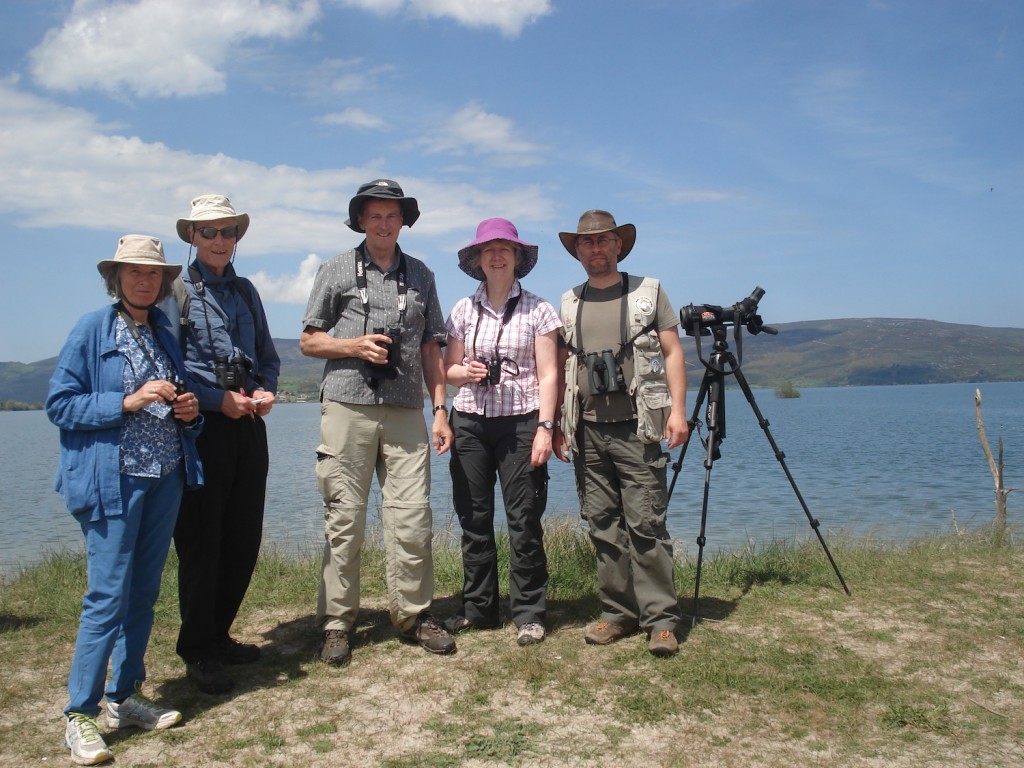
Thanks to the Birders, Melanie, John, Colin and Joanna.
Wednesday, May 11, 2016
PÁRAMOS & VALLES, LAS MERINDADES Y SUS AVES
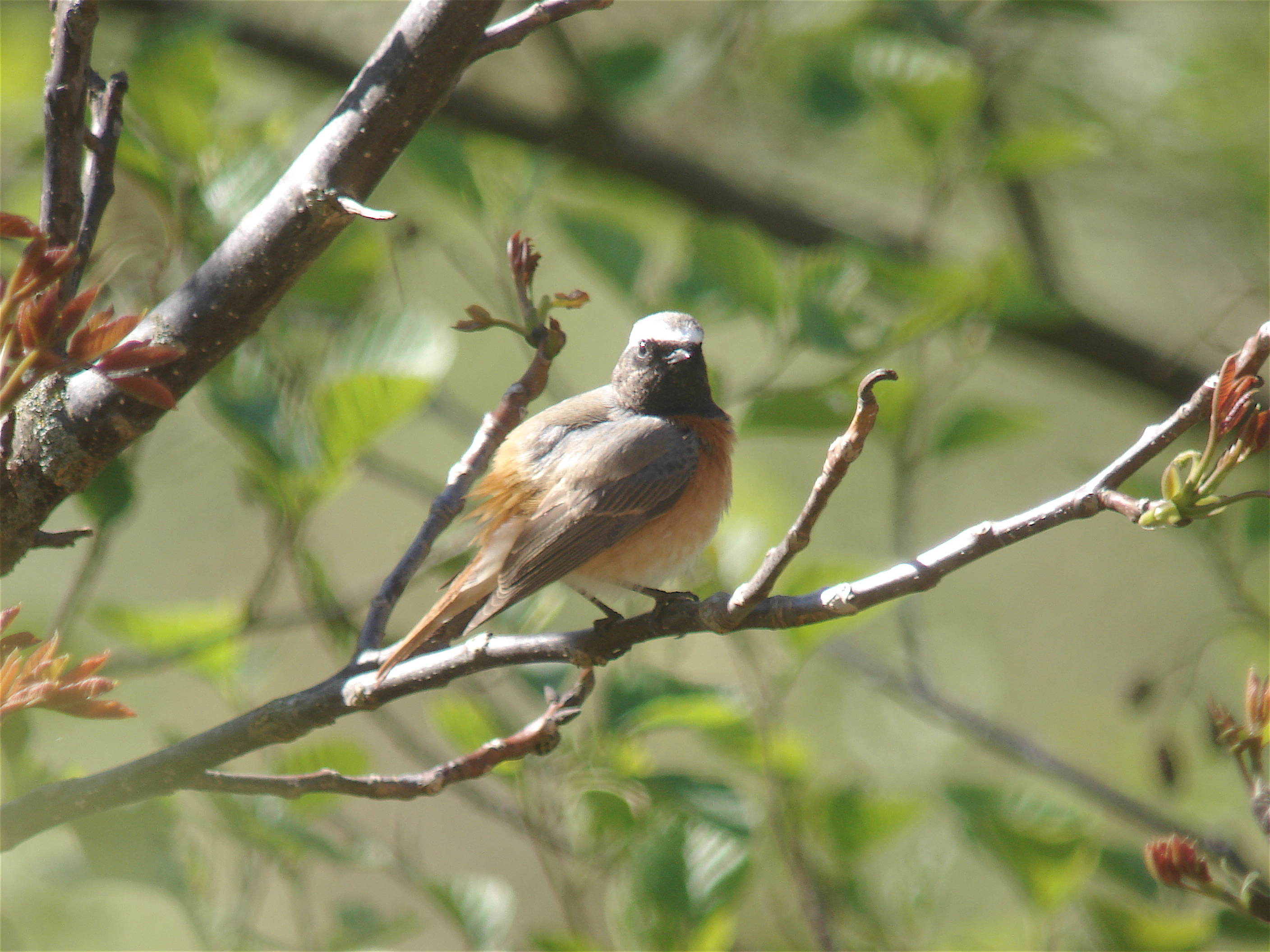
Colirrojo Real / Common Redstart
Espectacular día de observación de aves en el Parque Natural de las Hoces del Alto Ebro y Rudrón, no sólo por el número de especies observadas, sino también por el buenísimo tiempo que nos acompañó.
Una de las primeras especies registradas, fue también una de las más llamativas, el espectacular Colirrojo Real. Durante los últimos días un macho se ha instalado en la Posada y no cesa en su empeño de atraer a alguna hembra, algo que por el momento no ha sucedido. Carboneros, Verdecillos y Mosquiteros Ibéricos fueron los que más vimos y escuchamos antes de seguir la ruta.
Primera parada y primer registro de la temporada de Alcaudón Dorsirrojo, un precioso macho en su lugar habitual de reproducción, también a la espera de la llegada de las hembras. A este interesante dato se unió la observación de una pareja de Golondrina Daúrica, especie que ya se puede considerar como reproductora habitual en esta parte de Las Merindades.
Nuestra última parada dentro del valle, después de ver las evoluciones acuáticas de Mirlos acuáticos y Lavanderas cascadeñas, nos reportó unas espectaculares observaciones Águilas Reales y Alimoche, las primeras posadas en un árbol y después esquivando las acometidas de una pareja de Cernícalos Vulgares que verían en las Águilas una amenaza a, seguramente, su cercano nido.
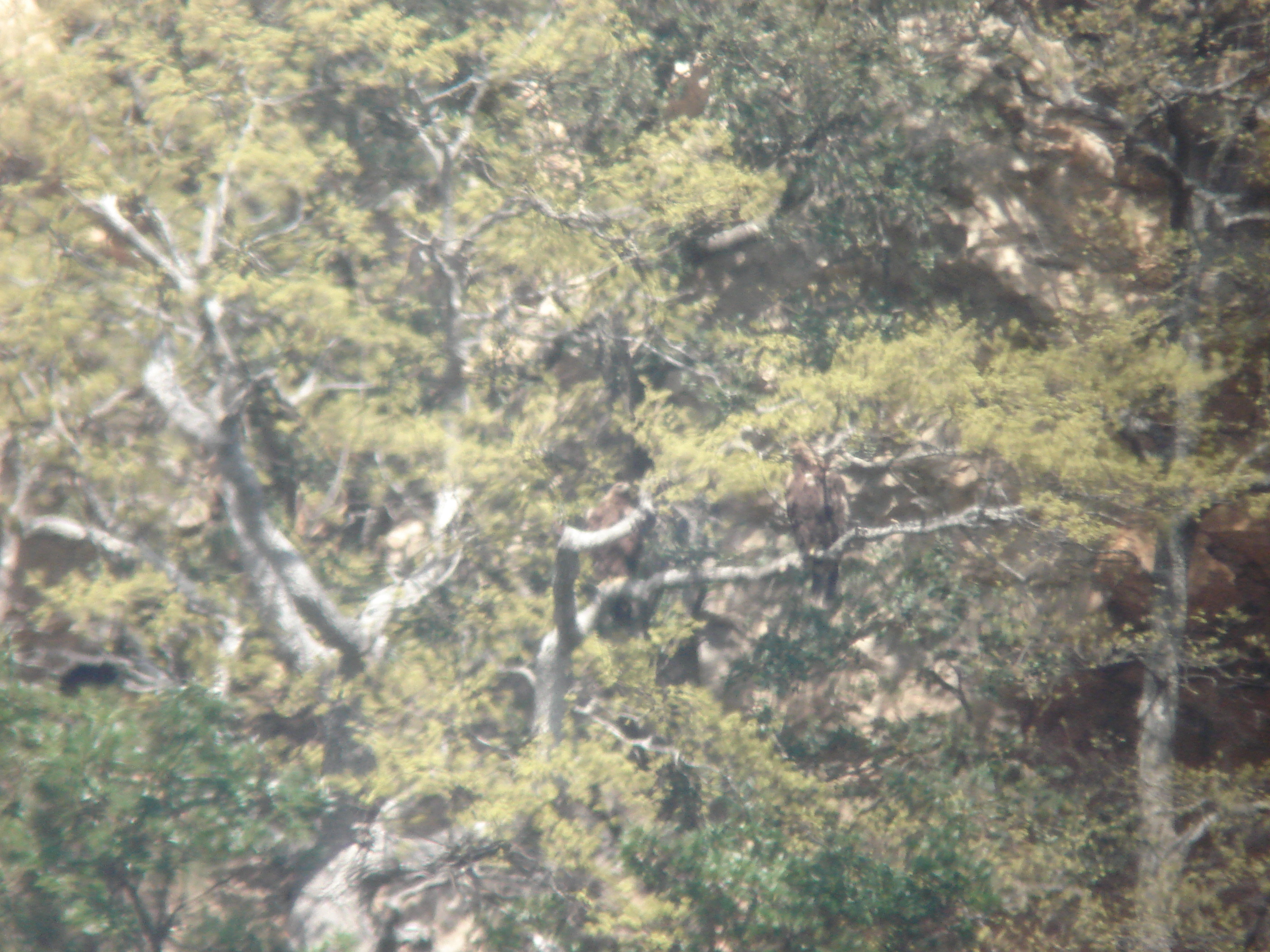
Pareja de Águila Real / A couple of Golden Eagle
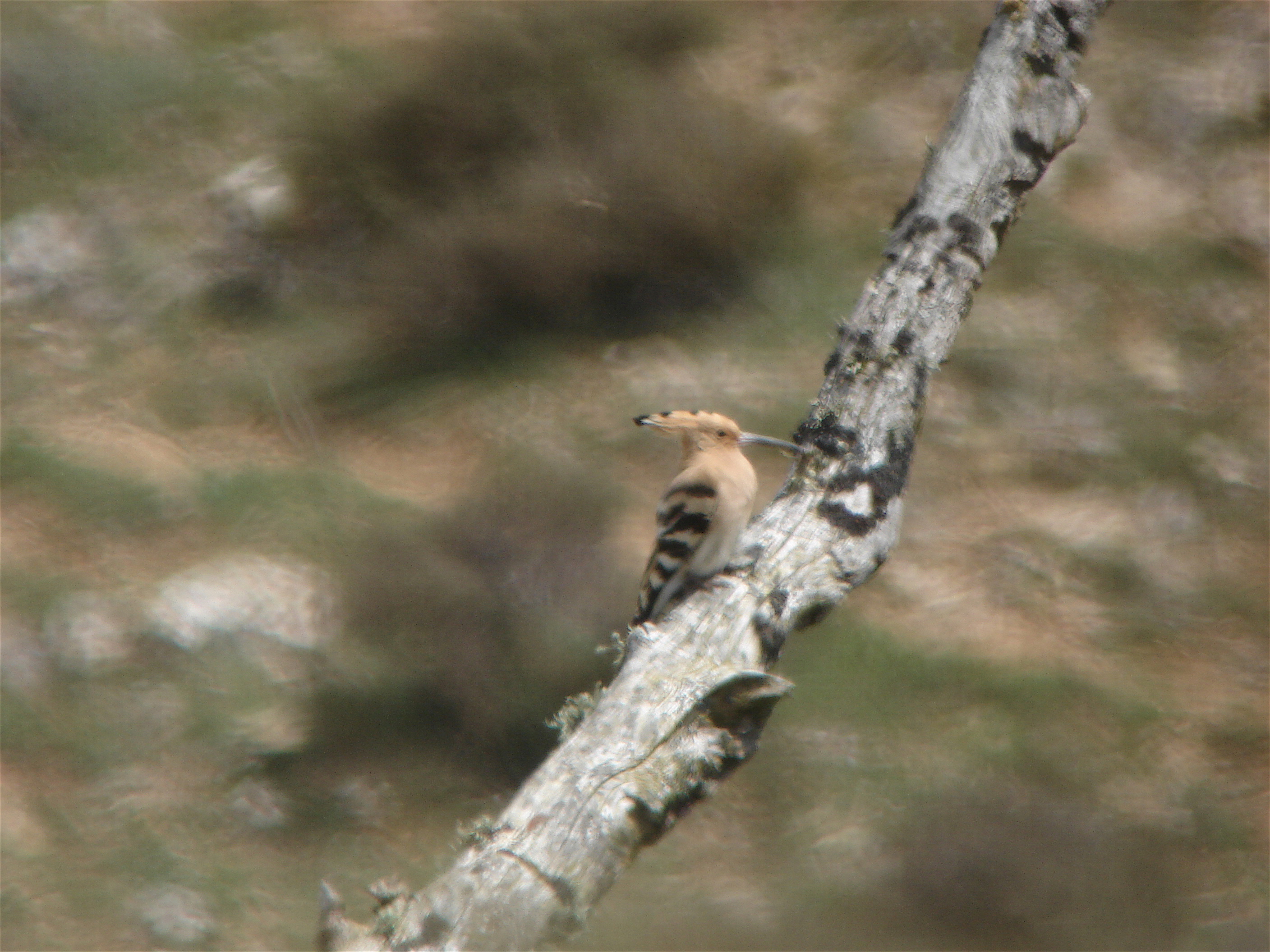
Como en otras ocasiones, el paramo ,no defraudó, con Gorriones Chillones, Roquero Rojo, Abubillas, Collalbas… y un buen número de otras especies.
Un total de 57 especies entre las vistas y oidas, lo que supone un fantástica cifra que engrosará la base de datos de eBirdproporcionando un mayor conocimiento de las especies y ayudando en su conservación.
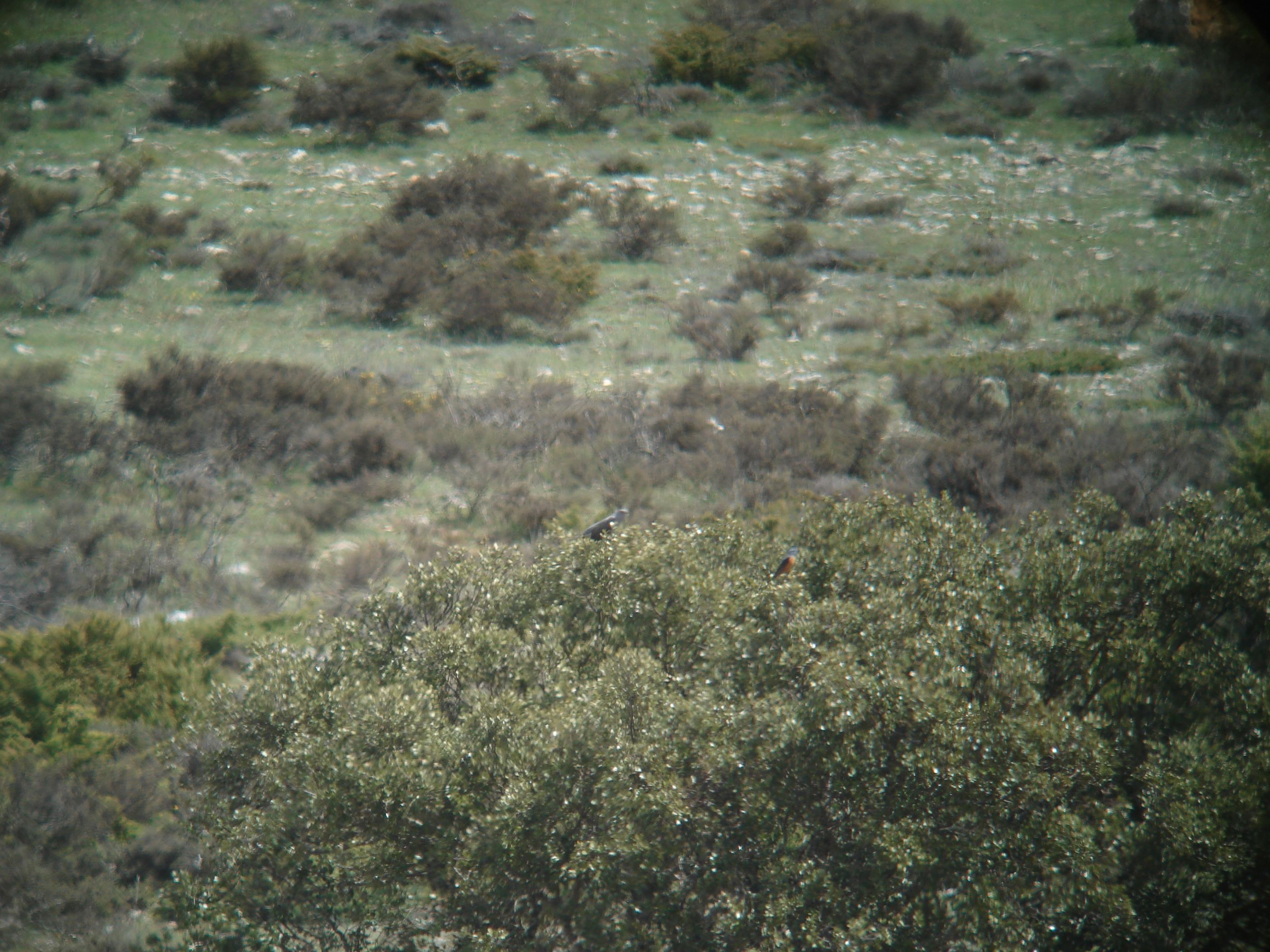
Cuco y Roquero Rojo / Cuckoo and Rock Thrush
Lista de Especies / Bird List:
Ánade Azulón / Mallard
Buitre Leonado / Griffon Vulture
Alimcohe / Egyptian Vulture
Aguilucho Cenizo / Montagu’s Harrier
Gavilán / Sparrowhawk
Busardo Ratonero / Common Buzzard
Águila Real / Golden Eagle
Cernícalo Vulgar / Common Kestrel
Focha / Common Coot
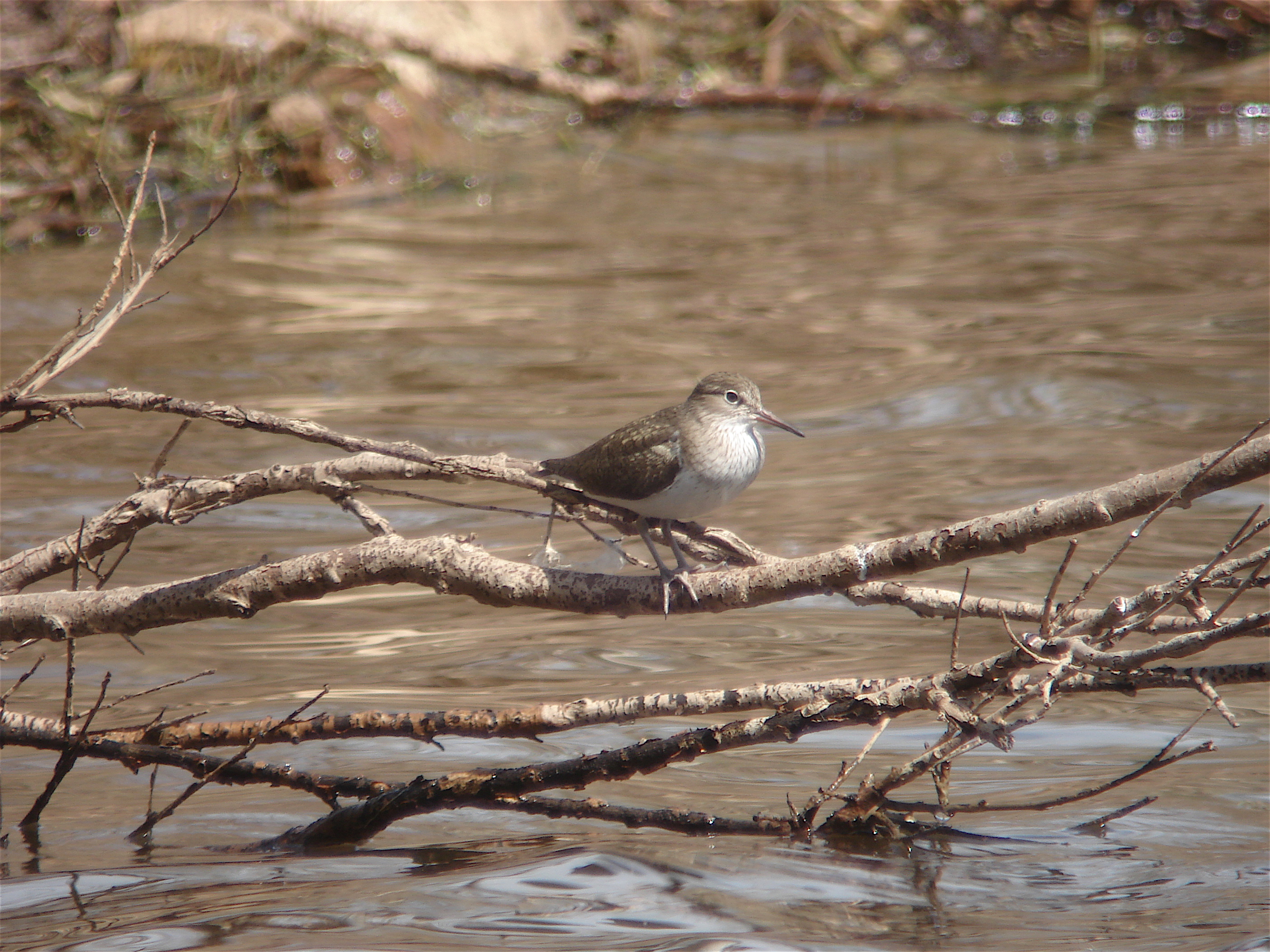
Andarrios Chico / Common Sandpiper
Cuco / Cuckoo
Vencejo Común / Common Swift
Abubilla / Hopooe
Torcecuello / Wryneck
Pito Real / Green Woodpecker
Pico Picapinos / Great Spotted Woodpecker
Alondra Totovia / Woodlark
Alondra Común / Skylark
Golondrina Común / Barn Swallow
Golondrina Daúrica / Red-rumped Swallow
Avión Común / House Martin
Bisbita Arboreo / Tree Pipit
Lavandera Cascadeña / Grey Wagtail
Lavandera Blanca / White Wagtail
Mirlo Acuático / Dipper
Chochín / Wren
Acento Común / Dunnock
Petirrojo / Robin
Colirrojo Tizón / Black Redstart
Colirrojo Real / Common Redstart
Tarabilla Común / Stonechat
Colaba Gris / Wheatear
Roquero Rojo / Rock Thrush
Mirlo Común / Blackbird
Zorzal Charlo / Mistle Thrush
Zorzal Común / Song Thrush
Cetia Ruiseñor / Cetti’s Warbler
Curruca Capirotada / Blackcap
Curruca Zarcera / Whitethroat
Ruiseñor Común / Nightingale
Mosquitero Ibérico / Iberian Chiffchaff
Mosquitero Papialbo / Bonelli’s Warbler
Papamoscas Gris / Spotted Flycatcher
Carbonero Garrapinos / Coal Tit
Herrerillo Común / Blue Tit
Carbonero Común / Great Tit
Oropéndola / Golden Oriole
Alcaudón Dorsirrojo / Red-backed Shrike
Urraca / Magpie
Chova Piquirroja / Red-billed Chough
Corneja Negra / Carrion Crow
Estornino Negro / Spotless Starling
Gorrión Chillón / Rock Sparrow
Gorrión Común / House Sparrow
Pinzón Vulgar / Common Chaffinch
Verderón / Greenfinch
Pardillo / Linnet
Escribano Cerillo / Yellowhammer
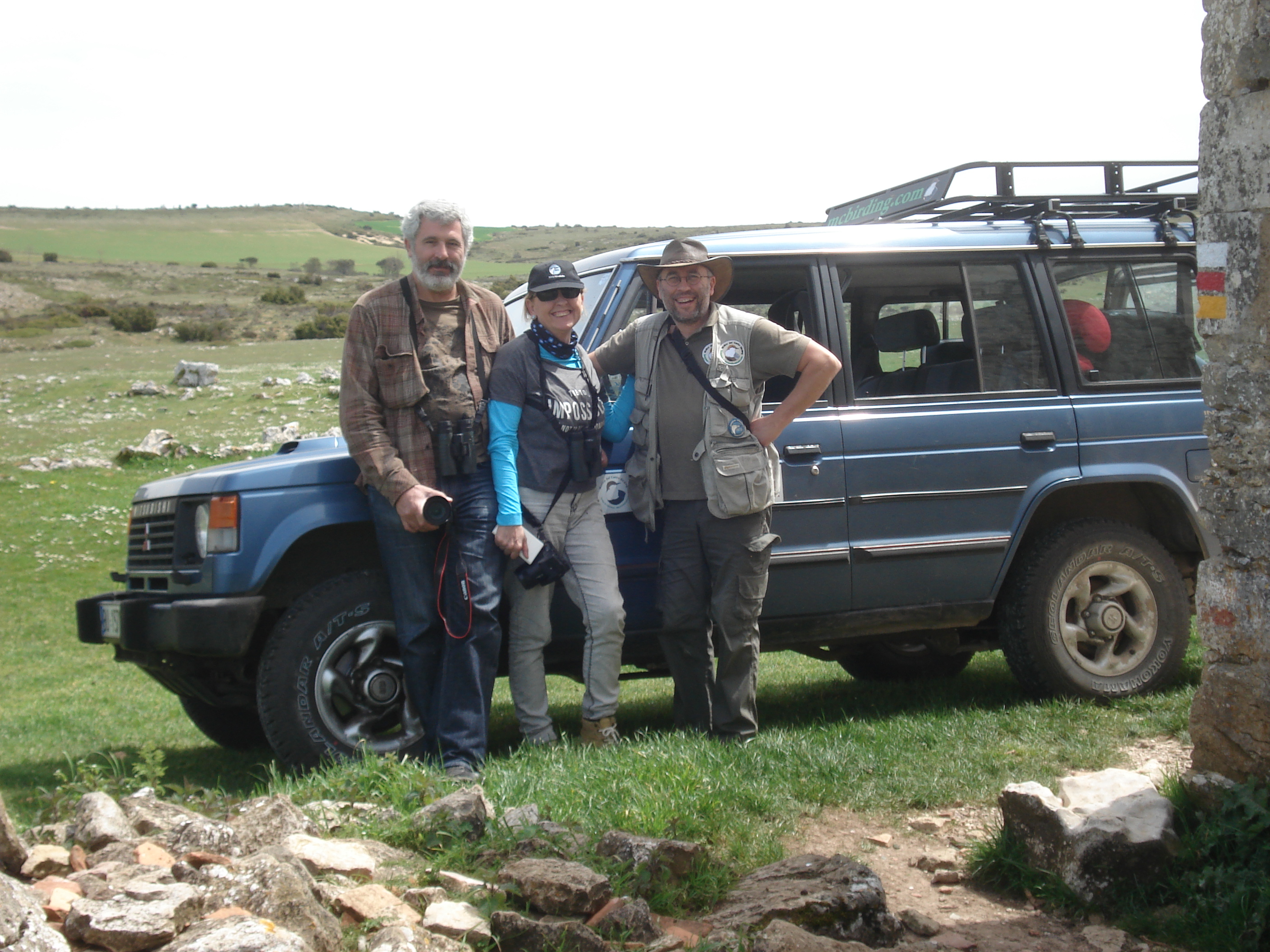
Muchas gracias a Begoña y Kepa por su interés en las Aves de Burgos.
Friday, April 01, 2016
MIGRANTES Y ESTIVALES, P.N. ALTO EBRO
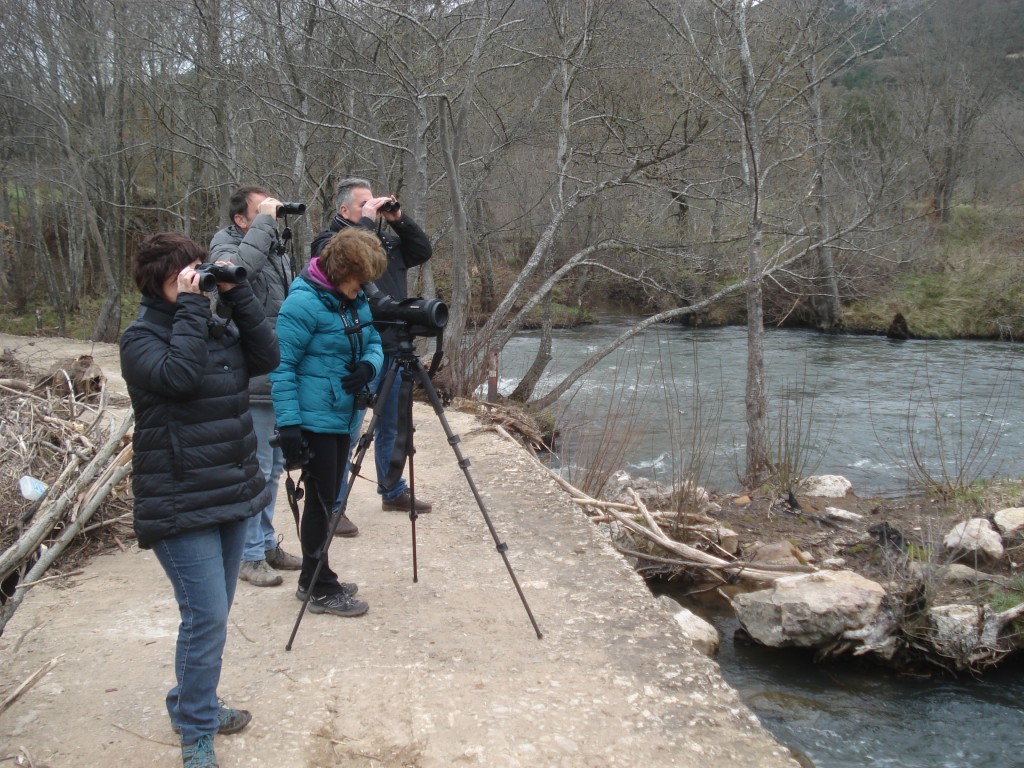
El viento caracterizó la salida a observar las aves del Parque Natural de las Hoces del Alto Ebro y Rudrón, de hecho fue un condicionánte que hasta nos hizo dudar de salir. Las previsiones, de cielos cubiertos, con vientos sostenidos de 30 km/h y rachas de 90 km/h invitaban poco a la aventura. Pero nada mejor que la ilusión por ver pájaros para salvar cualquier contingencia climática.
Así que después de ajustar el equipo partimos, dándonos cuenta rápidamente, que, el viento sí nos permitiría tener una jornada interesante, como así fue.
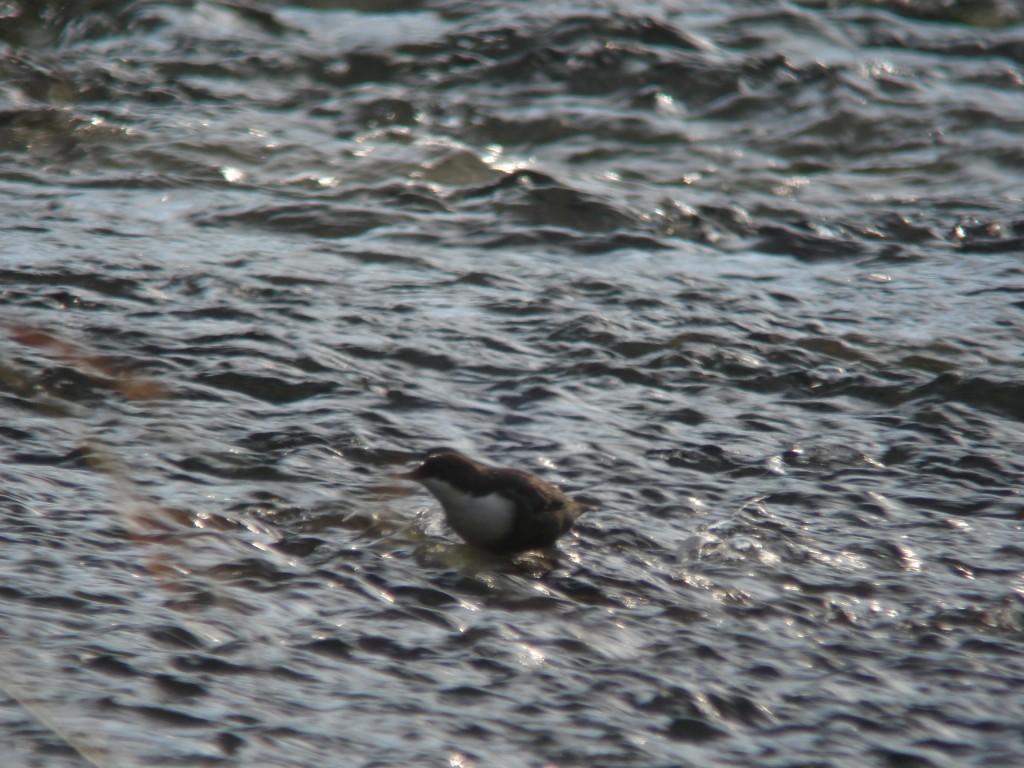
Mirlo Acuático / Dipper
El paso migratorio es muy llamativo, pequeñas aves como los Mosquiteros, con la duda de comunes o ibéricos, por aquello de su silencio (ver artículos sobre los Mosquiteros, art.1 , art.2 , art.3) , moviéndose realmente cerca de nosotros con sus técnicas de caza sobre mosquitos invisibles para nosotros, mientras, a lo lejos, una formación de Espátulas, en vuelo hacia el norte, lucha contra el viento con un claro dominio de este elemento.
Seguimos disfrutando de pequeñas aves, algunas, las más pequeñas de Europa, como Reyezuelos y Mitos, otras espectaculares con sus llamativos tonos rojos, como Camachuelos, Colirrojos o los mismos Picos, en este caso Picapinos y una pareja de Medianos.
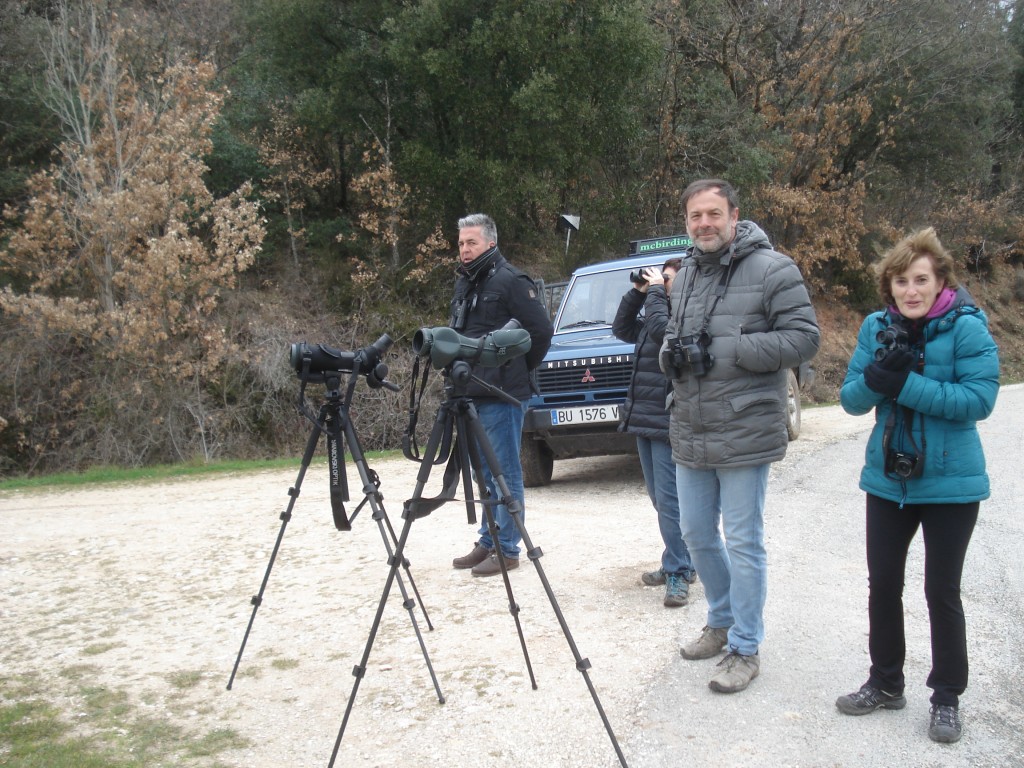
En el páramo, con el incesante viento, no recogimos muchas observaciones, hasta que observamos un Aguilucho Pálido, en pleno vuelo de caza y acierto, ya que allí le dejamos disfrutando de su captura. Otro buen momento lo tuvimos con la observación de un buen número de Fringílidos, en el que los Pinzones Comunes eran mayoría, pero rebuscando entre ellos, aparecieron, Jilgueros, Pinzones Reales, Verdecillos, Pardillos y un Picogordo.
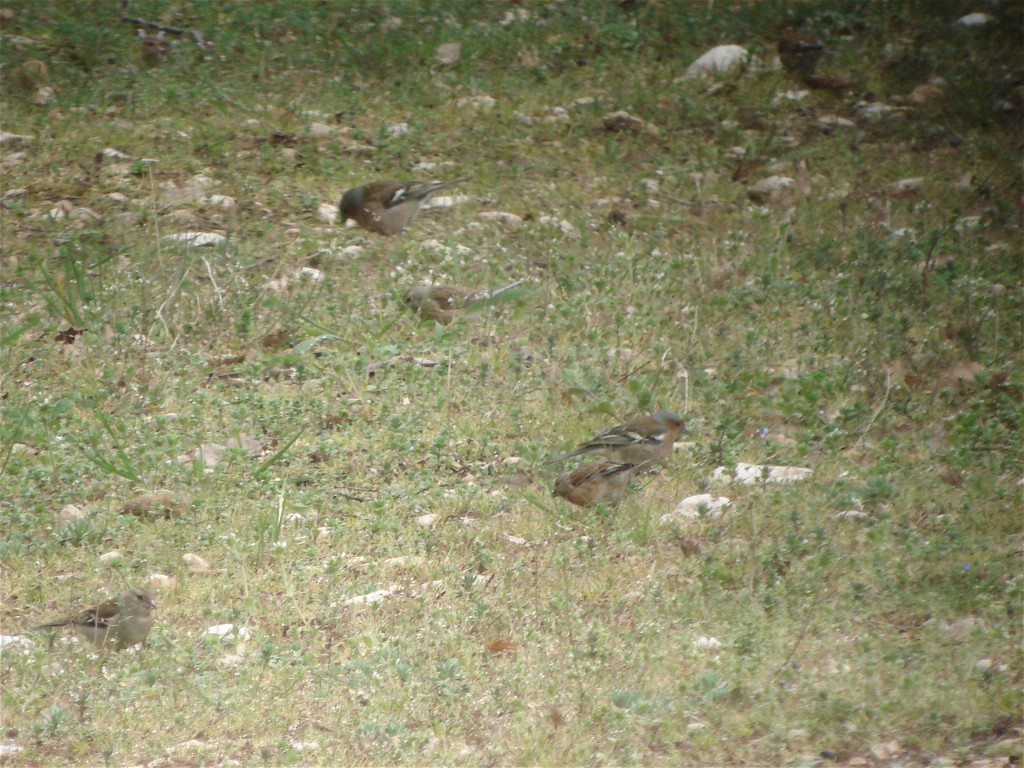
Pinzones Vulgares y Pardillos / Common Chaffinch and Linnet
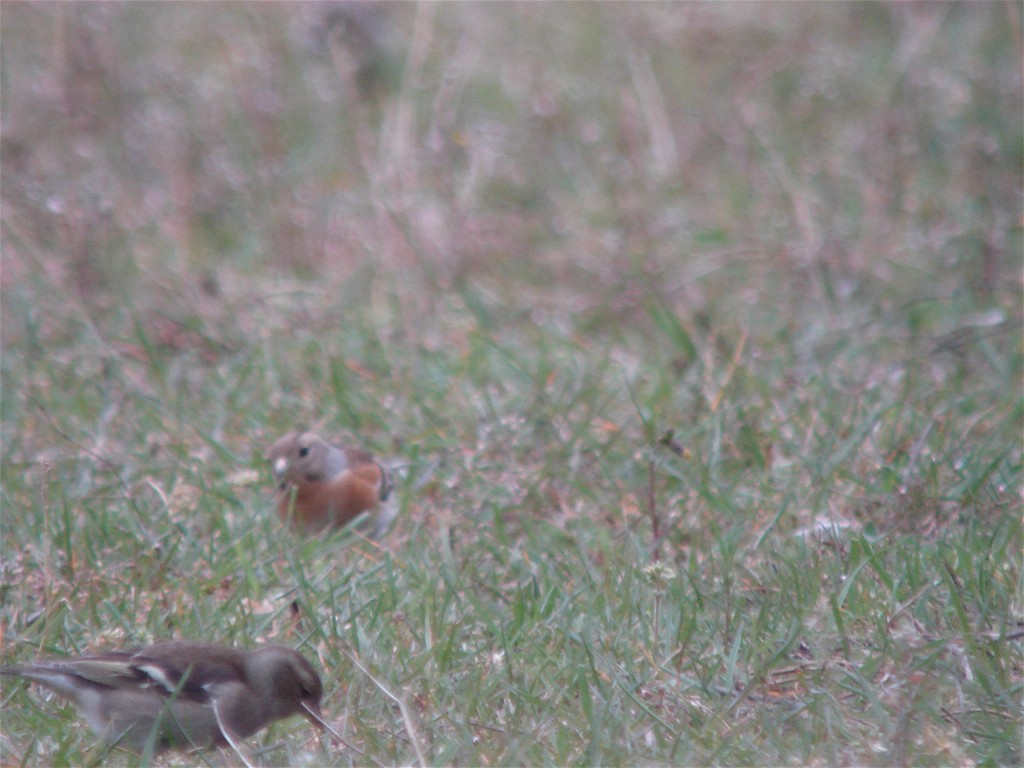
Pinzón Real y Pinzón Común (hembras) / Brambling and Common Chaffinch (females)
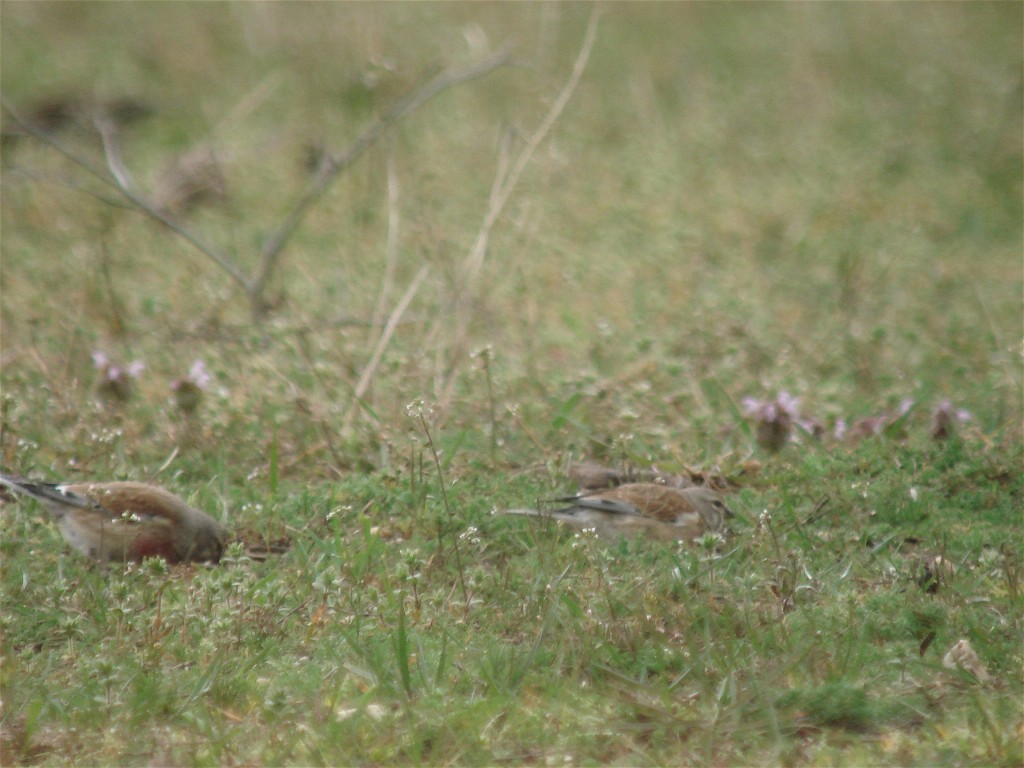
Pardillos Comunes / Linnet
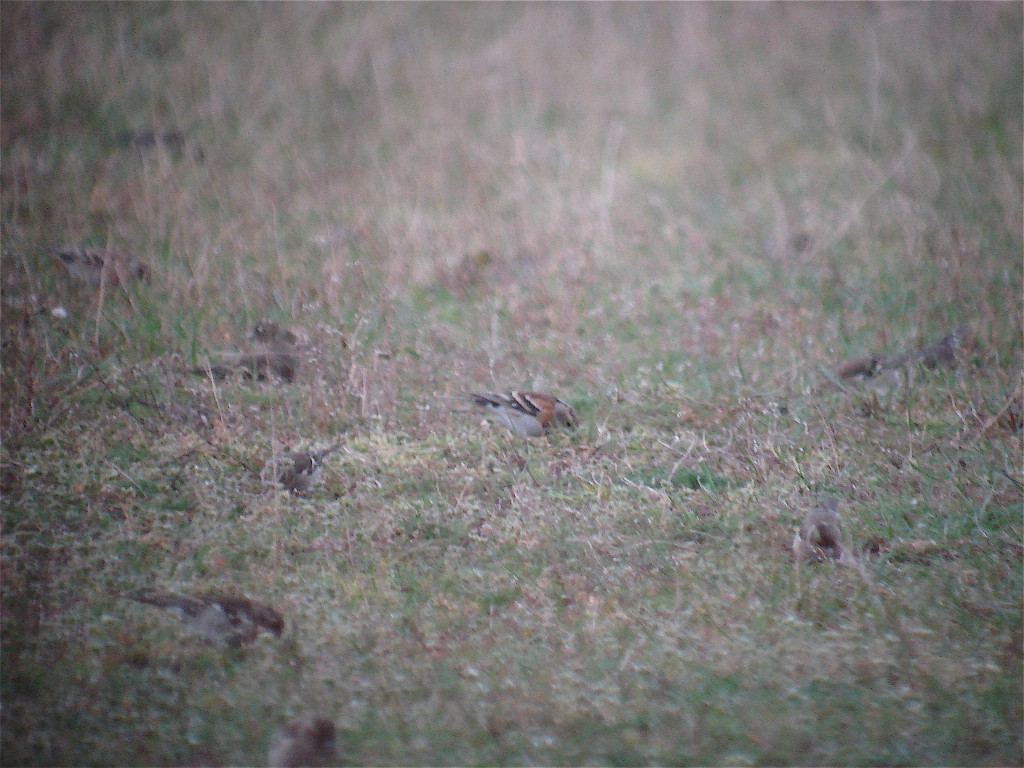
Pinzón Real y Pinzones Comunes / Brambling and Common Chaffinches
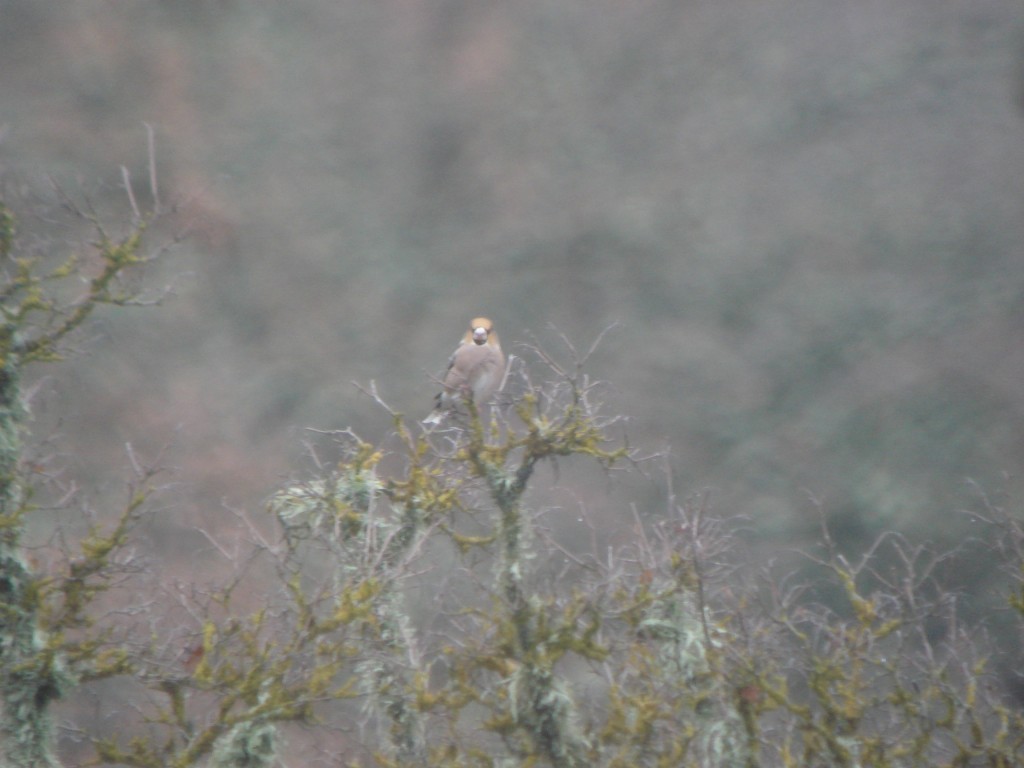
Picogordo / Hawfinch
Ya casi de regreso la pareja de Alimoches que año tras año, se instala en las cercanías de la Posada estaba posada en los presos próximos dejándose ver aplacer.
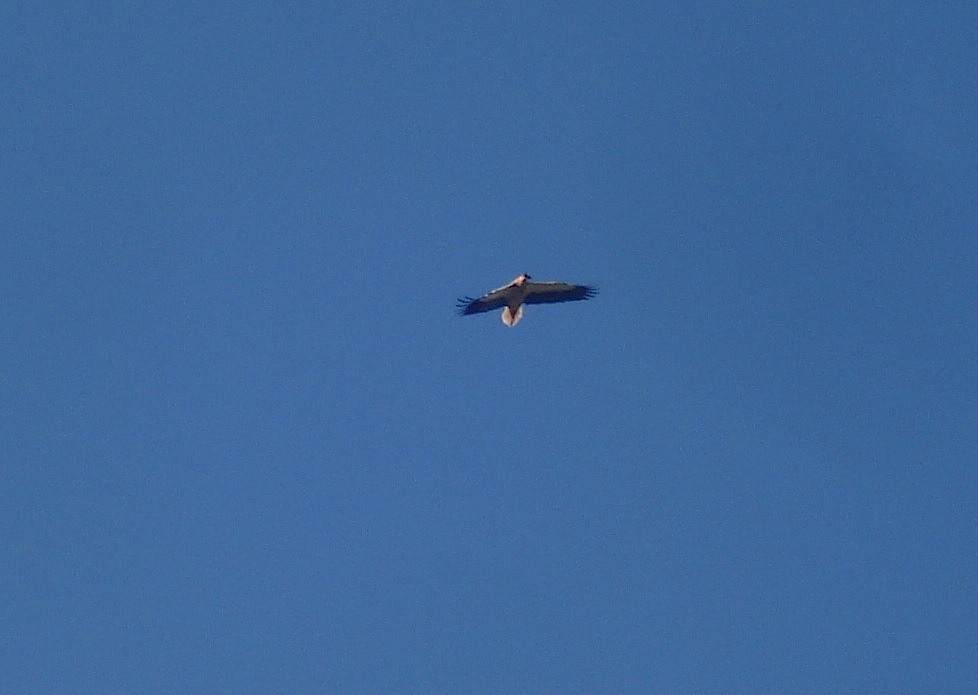
Alimoche / Egyptian Vulture
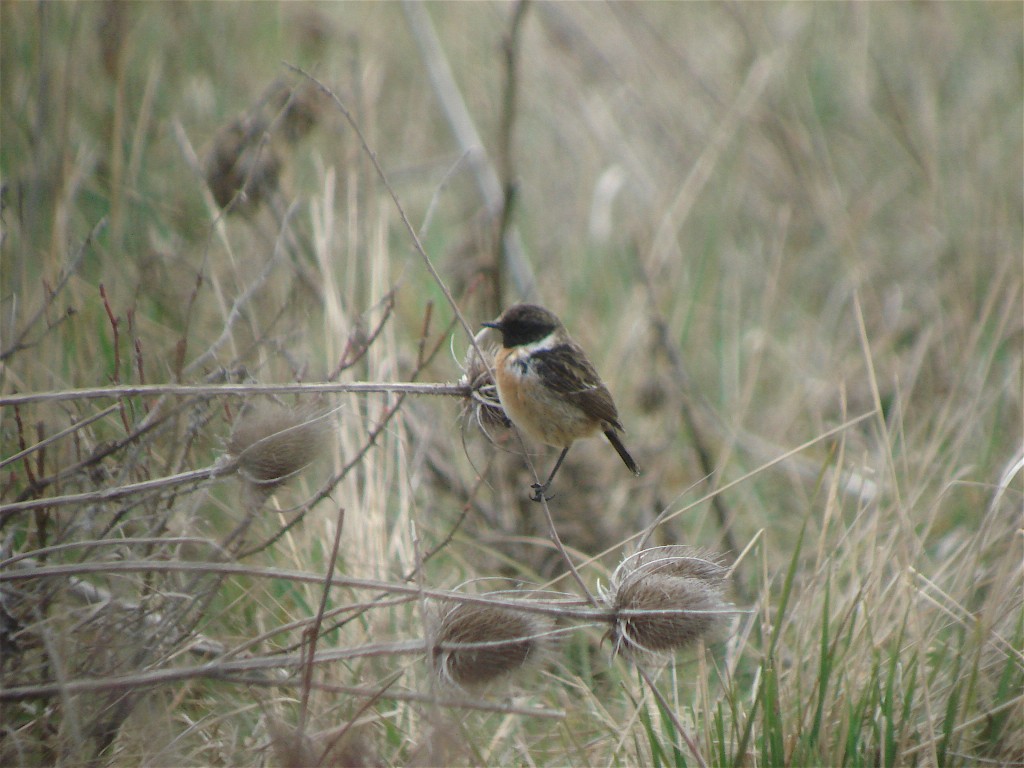
Tarabilla Común / Stonechat
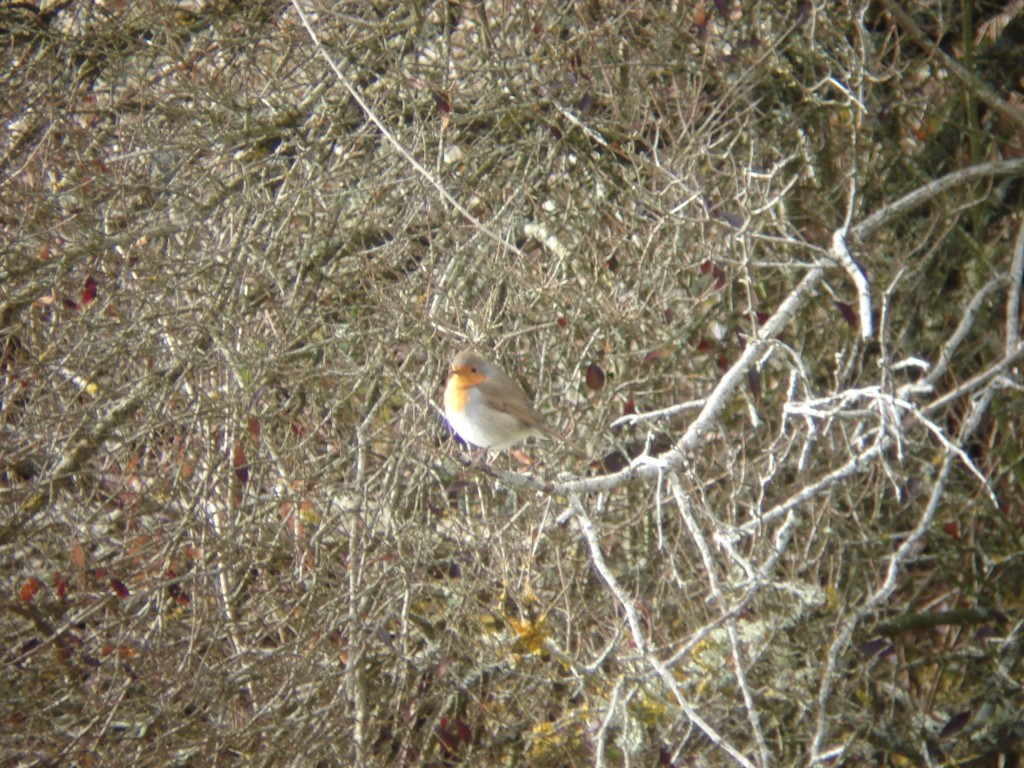
Petirrojo / Robin
En resumen un buen día de aves, 44 especies, y de buena compañía. Gracias a Maite, Mirari, John y Javier por su vuestro interés en las aves de Burgos.
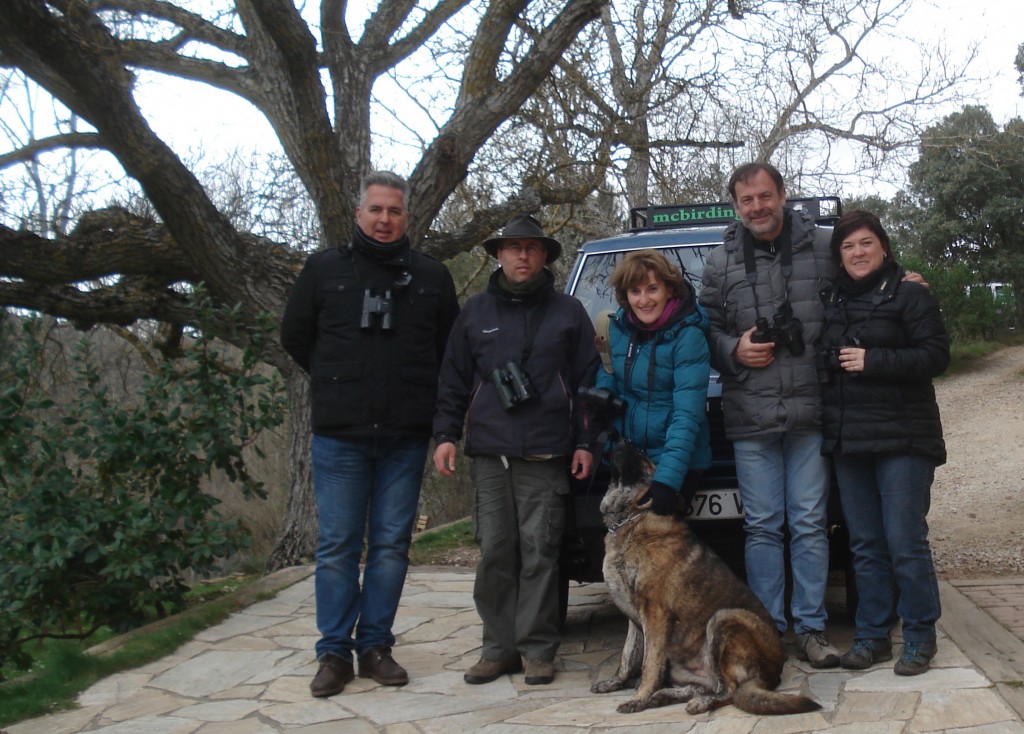
Lista de Especies / Bird List
Ánade Azulón / Mallard
Cormorán Grande / Great Cormorant
Espátula Común / Eurasian Spoobill
Buitre Leonado / Griffon Vulture
Alimoche / Egyptian Vulture
Milano Negro / Black Kite
Aguilucho Pálido / Hen Harrier
Busardo Ratonero / Common Buzzard
Paloma Torcaz / Wood Pigeon
Pito Real / Iberian Green Woodpecker
Pico Picapinos / Great Spotted Woodpecker
Pico Mediano /Middle Spotted Woodpecker
Lavandera Blanca / White Wagtail
Lavandera Cascadeña / Grey Wagtail
Avión Roquero / Crag Martin
Avión Común / House Martin
Chochín / Wren
Petirrojo / Robin
Colirrojo Real / Common Redstart
Colirrojo Tizón / Black Redstart
Tarabilla Común / Stonechat
Mirlo Común / Blackbird
Zorzal Común / Song Thrush
Zorzal Charlo / Mistle Thrush
Curruca Capirotada / Blackcap
Mosquitero Común/Ibérico / Common/Iberian Chiffchaff
Herrerillo Común / Blue Tit
Carbonero Común / Great Tit
Mito / Long-tailed Tit
Agateador Común / Short-toed Treecreeper
Trepador Azul / Nuthatch
Estornino Negro / Spotless Starling
Arrendajo / Jay
Urraca / Magpie
Chova Piquirroja / Red-billed Chough
Corneja Negra / Carrion Crow
Cuervo / Raven
Gorrión Común / House Spaarrow
Pinzón Vulgar / Common Chaffinch
Pinzón Real / Brambling
Pardillo / Linnet
Picogordo / Hawfinch
Verdecito / Serin
Camachuelo Común / Bullfinch
Subscribe to:
Posts (Atom)







 Posts
Posts


